



One-Stop Solution for Life Science Research
In life science research, establishing a smooth and efficient workflow is essential to drive progress from basic research to drug discovery and therapeutic development. Our one-stop solution platform consistently supports three critical stages--sample preparation, characterization, and analysis--addressing the diverse needs of researchers. Our product portfolio seamlessly supports the entire workflow, enabling effective disease modeling and is widely applied in various disease research areas, including metabolism, neurodegenerative disorders, and cancer.
-
Sample Preparation
iPSCs and MSCs are cultured under controlled conditions to maintain differentiation potential and proliferation. For iPSCs, small molecules like Y-27632 and cytokines such as bFGF support their undifferentiated state, and additional factors like CHIR99021 and activin A induce differentiation into organ-specific cells and organoid formation. For MSCs, cytokines maintain their characteristics, and both MSCs and their extracellular vesicles (EVs), including exosomes, are used in cell therapy and drug discovery.
FUJIFILM Wako Product Portfolio
- Cell Culture Media(MSC / iPSC / Neuron)
- Cytokines / Growth Factor
- Cell Culture Additives
- Tissue Clearing Reagents
-
Characterization
Differentiated cells and organoids are characterized by ELISA, flow cytometry, and antibody-based assays to assess marker expression, purity, and function. To support research in neurodegenerative diseases and cancers including glioma, we provide antibodies and ELISA kits for biomarkers like β-amyloid (Aβ), Tau, BDNF, and α-synuclein, as well as assay kits for easy measurement of ALT/AST, triglycerides, and glucose to aid metabolic disease research.
FUJIFILM Wako Product Portfolio
- Neuroscience (Alzheimer Disease / Depression / Parkinson Disease / Sleep Disorder)
- Microglia
- Cancer
- MASH / Glycometabolism / Lipid metabolism / Liver function / Kidney function)
- Immunology / Inflammation (Cytokine / Gut Bacteria)
-
Analysis
Extracellular vesicles (EVs) secreted by the cells are utilized as tools for intercellular communication. RNA and protein analyses of EVs are performed to understand cell signaling, molecular content, and functional roles. For these analyses, antibodies and ELISA kits targeting tetraspanins such as CD9, CD63, and CD81, as well as RNA extraction and quantification kits specifically designed for purified EVs, are commonly used.
FUJIFILM Wako Product Portfolio
- EV Isolation
- EV Characterization (ELISA / Flow Cytometry / Antibody)
- Analysis (Protein / RNA)
Global contract research services for drug discovery using cutting-edge technologies
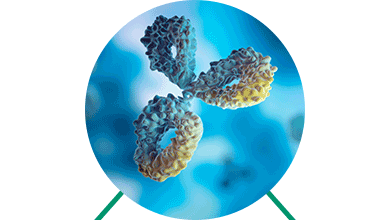 Cyclic Peptide Discovery High-Throughput Screening using mRNA Display Technology
  hiPS-derived Cell-Based Assays Neurodegenerative & Neuroinflammation Disease Models
 Cardiotoxicity Testing


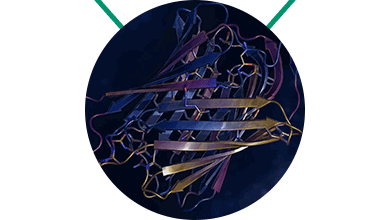



Depression
Major depressive disorder (MDD) is a mood disorder characterized by prolonged depressed mood and loss of interest or pleasure. Key symptoms include fatigue, sleep disturbances, and feelings of guilt. It is estimated that about 10% of the population will experience MDD at least once in their lifetime. The disorder can be triggered by various factors such as stress, and while several theories have been proposed regarding its pathogenesis--including the monoamine hypothesis, HPA axis dysfunction, neuroinflammation, and BDNF hypothesis--the exact mechanisms remain unclear. Therefore, diverse research efforts are actively underway worldwide to establish more effective early diagnosis and treatment methods.
Product

Media

Undifferentiated State Maintenance / Differentiation Induction
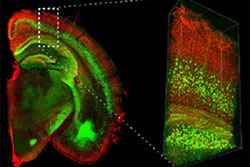
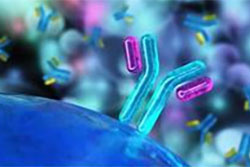
Antibody / Assay kit

EV Analysis
- EV Isolation
- EV Characterization (ELISA / Flow Cytometry / Antibody)
- Analysis (Protein / RNA)
Alzheimer's Disease
Alzheimer's disease is characterized by senile plaques and neurofibrillary tangles found in postmortem brains and is a major cause of dementia. The deposition of Amyloid-beta (Aβ) and accumulation of Tau protein are hallmark features, and their roles in the onset and progression of the disease have long been debated. Among various hypotheses, the widely supported amyloid cascade hypothesis posits that the highly toxic Aβ42 species acts on neurons, triggering neurofibrillary tangle formation, leading to neuronal dysfunction and cell death. While genes such as APP and presenilins have been identified as causes of familial Alzheimer's disease, many therapeutic drugs have failed to demonstrate efficacy in clinical trials, prompting re-evaluation of the hypothesis details. Recently, there has been growing attention on the toxicity of intracellular Aβ oligomers; however, their mechanisms remain unclear and further research is needed.
Against this background, anti-Aβ antibodies, ELISA kits, Aβ oligomer and tau-related reagents are widely used in research worldwide, advancing studies aimed at elucidating disease mechanisms and developing effective treatments.
Product
Media
Undifferentiated State Maintenance / Differentiation Induction
Antibody / Assay kit
EV Analysis
- EV Isolation
- EV Characterization (ELISA / Flow Cytometry / Antibody)
- Analysis (Protein / RNA)
Parkinson's Disease Research
Parkinson's disease is a neurodegenerative disorder characterized by the degeneration and loss of dopaminergic neurons in the substantia nigra of the midbrain, leading to motor symptoms as well as non-motor manifestations. Pathologically, it is known for the abnormal accumulation and aggregation of alpha-synuclein, forming Lewy bodies. While the exact mechanisms underlying disease onset remain unclear, the central hypothesis focuses on the toxic effects of abnormal alpha-synuclein accumulation inducing neuronal cell death. Genetic factors and environmental influences are also believed to contribute, and various pathways are being actively investigated.
Product
Media
Undifferentiated State Maintenance / Differentiation Induction
Antibody / Assay kit
EV Analysis
- EV Isolation
- EV Characterization (ELISA / Flow Cytometry / Antibody)
- Analysis (Protein / RNA)
Microglia
Microglia are a type of glial cell responsible for immune functions in the central nervous system. They play a crucial role in maintaining neural function through cytokine release, phagocytosis of foreign substances and dead cells, and synaptic pruning. Traditionally, research has focused on activated microglia involved in inflammatory responses; however, recent studies have revealed that microglia also participate in neural circuit formation during normal brain development by eliminating unnecessary synapses, contributing to the maturation of functional circuits. Dysfunction in this process may underlie neurodevelopmental disorders such as autism spectrum disorder (ASD), and enhancing microglial synaptic phagocytosis is being explored as a potential therapeutic approach. On the other hand, excessive microglial activation is implicated in the onset and progression of neurodegenerative diseases such as Alzheimer's disease and amyotrophic lateral sclerosis (ALS), making microglia a focus in understanding and developing treatments for these conditions.
Product
Media
Undifferentiated State Maintenance / Differentiation Induction
Antibody / Assay kit
EV Analysis
- EV Isolation
- EV Characterization (ELISA / Flow Cytometry / Antibody)
- Analysis (Protein / RNA)
Fibrosis (Lung, Liver)
Fibrosis is a condition characterized by the abnormal proliferation of connective tissue and excessive accumulation of extracellular matrix (ECM) components, such as collagen produced by fibroblasts. It is triggered by factors such as viral infections, autoimmune reactions, and tissue injury. Chronic inflammation leads to excessive ECM deposition, resulting in tissue dysfunction. Fibrosis is observed in diseases such as idiopathic pulmonary fibrosis, liver cirrhosis, chronic kidney disease, and rheumatoid arthritis. Additionally, fibrosis surrounding tumors has been shown to contribute to tumor malignancy through complex interactions with cancer cells.
Product
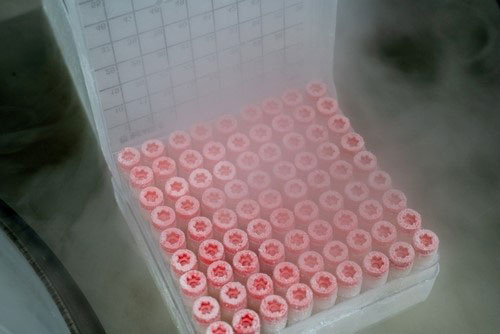
Cell
Media
- StemSure® hPSC MediumΔ
- Animal Cell Culture Medium ( D-MEM / Ham's / RPMI )
- 3D Cell Culture Plate PrimeSurface™
- Low Protein Absorption Products ProteoSave™
Undifferentiated State Maintenance / Differentiation Induction
Antibody / Assay kit
EV Analysis
- EV Isolation
- EV Characterization (ELISA / Flow Cytometry / Antibody)
- Analysis (Protein / RNA)
Cancer Research
Cancer (malignant tumor) is characterized by the malignant proliferation of cells caused by genetic abnormalities in normal cells, with features including invasion into surrounding tissues and metastasis to other organs. Cancer cells arise daily even in healthy individuals, but the immune system typically eliminates them. When immune function is compromised, cancer cells can proliferate uncontrollably and progress. In addition to conventional treatments such as surgery and chemotherapy, new approaches like molecular targeted therapies and immunotherapies have been developed. Research on these treatments relies heavily on research reagents such as antibodies and ELISA kits for detecting specific cancer cell proteins, as well as flow cytometry antibodies for analyzing cellular states.
Product
Cell
Media
- Animal Cell Culture Medium ( D-MEM / Ham's / RPMI )
- 3D Cell Culture Plate PrimeSurface™
- Low Protein Absorption Products ProteoSave™
Undifferentiated State Maintenance / Differentiation Induction
Antibody / Assay kit
EV Analysis
- EV Isolation
- EV Characterization (ELISA / Flow Cytometry / Antibody)
- Analysis (Protein / RNA)
Glycometabolism
Carbohydrates in food are digested into glucose, which is transported through the bloodstream to provide energy to cells throughout the body. Insulin secreted by the pancreas promotes the uptake of glucose into cells, and excess glucose is stored as glycogen in the liver and muscles.
Diabetes is a condition characterized by high blood glucose levels due to insulin deficiency or impaired insulin function, and its progression can lead to complications such as retinopathy and nephropathy. Gastrointestinal hormones like GLP-1 and GIP regulate insulin secretion and play an important role in blood glucose control.
Product
Cell
Media
- StemSure® hPSC MediumΔ
- Animal Cell Culture Medium ( D-MEM / Ham's / RPMI )
- 3D Cell Culture Plate PrimeSurface™
- Low Protein Absorption Products ProteoSave™
Undifferentiated State Maintenance / Differentiation Induction
Antibody / Assay kit
EV Analysis
- EV Isolation
- EV Characterization (ELISA / Flow Cytometry / Antibody)
- Analysis (Protein / RNA)
Lipid metabolism
Lipids are major components of cell membranes and play an indispensable role in maintaining cell structure and function. They also serve as an important energy source alongside carbohydrates and proteins, contributing to energy storage and hormone synthesis in the body. Lipids exist in various forms such as fatty acids, triglycerides, phospholipids, and cholesterol, each fulfilling specific roles within biological systems. However, abnormalities in lipid metabolism are known to increase the risk of lifestyle-related diseases such as obesity, diabetes, atherosclerosis, and fatty liver disease. Therefore, maintaining proper lipid balance is crucial for health. In recent years, research focusing on elucidating the mechanisms of dyslipidemia and developing treatments targeting lipid metabolism has advanced, significantly contributing to the prevention and improvement of lifestyle-related diseases.
Product
Cell
Media
Undifferentiated State Maintenance / Differentiation Induction
- bFGF/FGF2
- CEPT cocktail
- Y-27632
- Cell Culture Additives for Liver Organoids
- A-83-01
- CHIR99021
- DAPT
- Dexamethasone
- Cell Culture Additives for Intestinal Organoids
- A-83-01
- CHIR99021
- DAPT
- Forskolin
- 【Cell Culture Additives for Adipose-Derived MSC】
- PDGF
- FGF
- TGF-β
- IGF
- IBMX
- Dexamethasone
- Indomethacin
- Pioglitazone Hydrochloride
Antibody / Assay kit
EV Analysis
- EV Isolation
- EV Characterization (ELISA / Flow Cytometry / Antibody)
- Analysis (Protein / RNA)
Kidney function
The kidneys maintain homeostasis in the body by filtering waste products and salts from the blood and excreting them as urine. However, when kidney function declines, it becomes difficult to regulate the balance of fluids and salts, leading to various health problems. Kidney diseases are often caused by lifestyle-related conditions such as hypertension, diabetes, and obesity, making early detection and treatment essential. In particular, diabetic nephropathy is characterized by the presence of microalbuminuria in its early stages.
Product
Cell
Media
Undifferentiated State Maintenance / Differentiation Induction
Antibody / Assay kit
EV Analysis
- EV Isolation
- EV Characterization (ELISA / Flow Cytometry / Antibody)
- Analysis (Protein / RNA)
Liver function
The liver is an essential organ responsible for various metabolic functions, including nutrient storage, detoxification of harmful substances, and synthesis of digestive enzymes. Liver diseases are primarily caused by lifestyle-related factors such as hepatitis virus infections, obesity, and diabetes. A major challenge is that early-stage liver disease often presents with few symptoms, leading to delayed diagnosis.
Liver function decline is assessed using biomarkers in the blood, such as ALT, AST, GLDH, ALP, and ammonia nitrogen, which serve as indicators for early detection and treatment intervention. Recently, improvements in the accuracy of these markers and the development of new diagnostic technologies have contributed significantly to the effective management of liver diseases.
Product
Cell
Media
Undifferentiated State Maintenance / Differentiation Induction
Antibody / Assay kit
EV Analysis
- EV Isolation
- EV Characterization (ELISA / Flow Cytometry / Antibody)
- Analysis (Protein / RNA)
CGT
Cell therapy is an advanced medical technology that uses cells derived from the patient or donors to treat diseases and restore function. Among these, CAR-T cell therapy, which involves genetically modifying T cells to specifically target cancer cells, has shown remarkable efficacy, especially in refractory hematological malignancies, and has attracted attention as a promising cancer immunotherapy. To ensure the efficacy and safety of cell therapies, utilizing biomarkers to rigorously assess cell quality and function is essential. This not only supports quality control during manufacturing but also plays a crucial role in evaluating patient response and monitoring adverse effects after administration.
Additionally, mesenchymal stem cells (MSCs) are used in regenerative medicine and immune modulation, and exosomes (extracellular vesicles, EVs) secreted by MSCs have garnered attention as mediators of intercellular communication and therapeutic effects. MSC-derived EVs have been reported to possess anti-inflammatory and tissue repair properties, representing a promising cell-free therapeutic approach.
Product
Cell
Media
Undifferentiated State Maintenance / Differentiation Induction
EV Analysis
- EV Isolation
- EV Characterization (ELISA / Flow Cytometry / Antibody)
- Analysis (Protein / RNA)