



Small Molecules for Organoid Culture
Organoids are miniature in vitro models of organs constructed from stem cells. By leveraging the self-renewal and pluripotency of stem cells, organoids recapitulate three-dimensional tissue-like structures through autonomous cellular self-organization and structural development.
Since the landmark 2006 report describing the establishment of induced pluripotent stem (iPS) cells, numerous studies on iPS cells have since been published. Fujifilm Wako supplies the small molecules cited in these publications for the culture of organoids derived from embryonic stem (ES) cells and iPS cells.
Ready-to-use solutions are available, as well as products in the CultureSure™ series, which are tested for endotoxin and mycoplasma contamination.
In addition to organoid culture, Fujifilm Wako offers a wide range of small molecules for experimental applications involving ES cells and iPS cells.
- Maintenance of the undifferentiated state / differentiation induction
- Identification and selective elimination of undifferentiated cells

List of Small Molecules for Organoid Culture
This table summarizes small molecules used for organoid culture.
Products can be searched by product type (e.g., powder, liquid) and by target organ, facilitating selection of the most suitable product for your application.
| Products | For Basic Research | MF | GMP-compliant | Organoid | ||||||||
|---|---|---|---|---|---|---|---|---|---|---|---|---|
| Powder | Liquid | Brain,Neuron | Lung | Heart | Liver | Pancreas | Kidney | Ureter | Intestine | |||
| A-83-01 | Yes | |||||||||||
| CHIR99021 | Yes | Yes | Yes | Yes | ||||||||
| DAPT | Yes | |||||||||||
| Dexamethasone | Yes | |||||||||||
| Dorsomorphin | Yes | |||||||||||
| Forskolin | Yes | |||||||||||
| IBMX | Yes | |||||||||||
| IWP-2 | Yes | |||||||||||
| IWR-1-endo | Yes | |||||||||||
| Purmorphamine | Yes | |||||||||||
| all-trans-Retinoic Acid | Yes | |||||||||||
| TTNPB | Yes | |||||||||||
| SAG | Yes | |||||||||||
| SB431542 | Yes | Yes | Yes | |||||||||
| Y-27632 | Yes | Yes | Yes | Yes | ||||||||
Click the buttons below to view detailed information and related publications for each organoid.


Organoid Culture
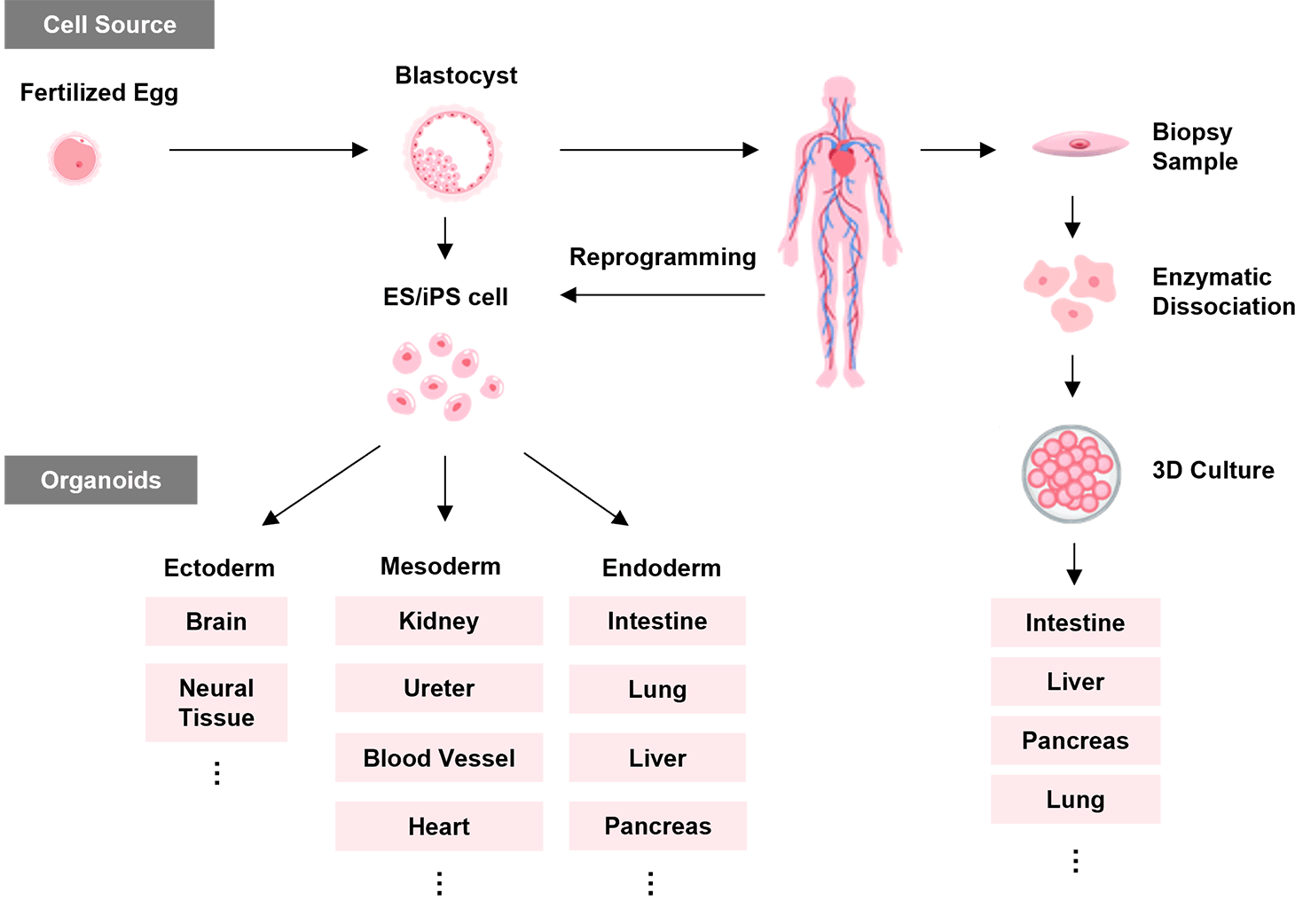
Organoid culture systems were developed to mimic and recapitulate, in three dimensions, tissue structures derived from all three germ layers: endoderm, mesoderm, and ectoderm. Although organoid induction protocols are highly tissue-specific and diverse, they generally involve embedding pluripotent stem cells or tissue-specific progenitor cells in an extracellular matrix. To regulate self-renewal and differentiation of stem cell populations, customized culture media containing growth factors such as Wnt, EGF, FGF, and BMP are used to precisely reproduce in vivo microenvironmental signaling1, 2).
Under these culture conditions, cell populations exhibit self-organizing capacity and form three-dimensional organoid structures. Many organoid culture models can be passaged and maintained over the long term, which is one of the key advantages of this system. For example, whole-genome sequencing of liver organoids derived from a single hepatic progenitor cell after three months in culture revealed minimal genomic mutations, indicating high genomic stability3).
Organoids have been successfully established and cultured from a wide range of tissues, including intestine, liver, pancreas, kidney, and lung. These models are increasingly used in disease modeling, drug screening, regenerative medicine, and developmental biology research1,4).
References
Brain and Neural Organoids
Human brain and neural organoids are established through the differentiation induction of human pluripotent stem cells (hPSCs), rather than from primary neural cells or excised tissues, due to experimental and ethical constraints. This approach enables in vitro recapitulation of the diverse neural cell populations and highly organized three-dimensional structures characteristic of the developing human brain.
Compared with animal models such as rodents, human brain organoids more faithfully reproduce human-specific mechanisms of central nervous system development, neuronal circuit formation, and the pathophysiology of neurodevelopmental disorders.They serve as highly valuable pathological models for conditions including autism spectrum disorder, schizophrenia, and neurodevelopmental disorders associated with Zika virus infection.
Small Molecules for Brain and Neural Organoid Generation
- DAPT
- Dorsomorphin
- IWP-2
- IWR-1-endo
- Purmorphamine
- all-trans-Retinoic Acid
- SAG
- SB431542
- Y-27632
References
Lung Organoids
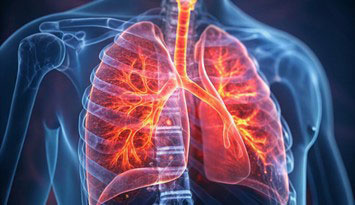
Lung organoids are three-dimensional (3D) culture models used to study human lung development, viral infections— including severe acute respiratory syndrome (SARS), the 2009 pandemic influenza A (H1N1), and Middle East respiratory syndrome (MERS) —and respiratory diseases including cystic fibrosis, asthma, and chronic obstructive pulmonary disease (COPD). They are also employed to investigate the effects of air pollution and smoking.
Unlike conventional immortalized cell lines or primary lung cells, lung organoids comprise multiple differentiated cell types and more accurately recapitulate the complex architecture and functions of lung tissue. Lung organoids can be established from small amounts of patient-derived tissue or from pluripotent stem cells and are expected to contribute to advances in personalized medicine and the development of disease-specific biobanks.
Small Molecules for Lung Organoid Generation
- CHIR99021
- DAPT
- Dexamethasone
- Dorsomorphin
- IBMX
- IWP-2
- all-trans-Retinoic Acid
- SB431542
- Y-27632
References
Cardiac Organoids
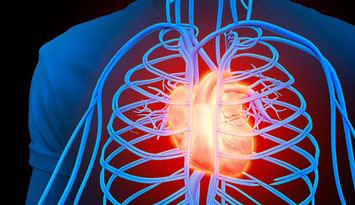
Cardiac organoids are functional three-dimensional in vitro models of the heart.
Advances in microgravity culture and on-chip manipulation technologies have enabled the generation of more mature cardiac tissue, facilitating applications in drug screening, disease modeling, and personalized medicine.
Small Molecules for Cardiac Organoid Generation
- CHIR99021
- IWP-2
- IWR-1
- all-trans-Retinoic Acid
- Y-27632
References
Liver Organoids
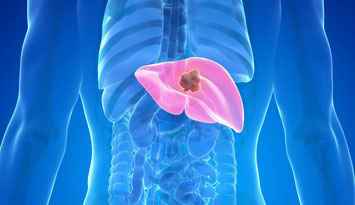
Liver organoids are functional three-dimensional in vitro models of the liver.
They comprise not only hepatocytes but also vascular and other supporting cell types, which self-organize to form three-dimensional structures and recapitulate key liver functions such as detoxification and metabolism.
Liver organoids are widely used in research on liver development, regeneration, detoxification, metabolism, and liver disease modeling.
Small Molecules for Liver Organoid Generation
- A-83-01
- CHIR99021
- DAPT
- Dexamethasone
References
Pancreatic Organoids
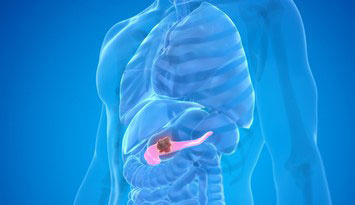
Pancreatic organoids are functional three-dimensional in vitro models of the pancreas.They contain pancreas-specific cell types, including ductal cells and progenitor cells, and recapitulate key functions such as digestive enzyme secretion and hormone production.
Pancreatic organoids are used to study pancreatic development, investigate diseases including diabetes and pancreatic cancer, and support drug screening.
Small Molecules for Pancreas Organoid Generation
- CHIR99021
- TTNPB
References
Kidney and Ureter Organoids
Kidney Organoids
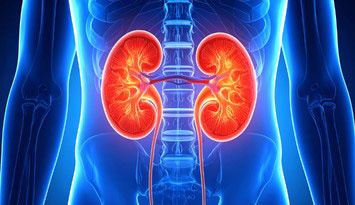
Kidney organoids are functional three-dimensional in vitro models of the kidney.
They recapitulate key kidney features, including nephron structures, vascular networks, and interstitial components.
Kidney organoids are utilized for kidney disease modeling, studies of kidney development, and screening of nephrotoxic compounds. They are also emerging as valuable tools for developing therapies for chronic kidney disease (CKD), a major global health challenge.
Small Molecules for Kidney Organoid Generation
- A-83-01
- CHIR99021
- DAPT
- Dorsomorphin
- Forskolin
- Y-27632
References
Ureter Organoids
Ureter organoids are functional three-dimensional in vitro models of the ureter.
They recapitulate epithelial and stromal cell populations of the ureter and hold promise for advancing our understanding of ureteral disease mechanisms, supporting applications in regenerative and transplant medicine—such as artificial kidney development—and facilitating drug discovery research.
Small Molecules for Ureter Organoid Generation
- A-83-01
- CHIR99021
- Forskolin
- TTNPB
References
Intestinal Organoids
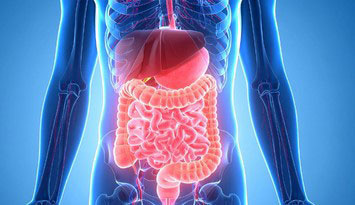
Intestinal organoids are functional three-dimensional in vitro models of intestinal tissue.
Since the first report of a mouse small intestinal organoid model in 2009, methods for culturing mouse colonic organoids as well as human small intestinal and colonic organoids, have been established. Intestinal organoids are now widely used in early drug discovery, patient-specific drug screening, oncology and immunology research, and studies of infectious disease pathogenesis.
Small Molecules for Intestinal Organoid Generation
- A-83-01
- CHIR99021
- DAPT
- Forskolin
- Y-27632
References
Product List
- Open All
- Close All
For research use or further manufacturing use only. Not for use in diagnostic procedures.
Product content may differ from the actual image due to minor specification changes etc.
If the revision of product standards and packaging standards has been made, there is a case where the actual product specifications and images are different.