



Deuterated Building Blocks
Deuterated compounds are used in a wide range of applications. These include pharmacokinetic studies, trace-level quantification of pesticide residues in food and endocrine-disrupting substances in the environment, higher-order structural analysis of proteins and peptides, and as functional materials such as those used in optical fibers. In recent years, demand has grown further as the deuterium isotope effect has enabled improved stability and durability in pharmaceuticals and in light-emitting materials for organic EL devices. This advantage arises from the fact that C-D bonds have higher bond-dissociation energies than C-H bonds and are more resistant to cleavage. Interest is also growing in deuterated compounds for neutron diffraction applications. With new applications emerging, deuterated compounds remain a fascinating class of compounds with significant future potential.
FUJIFILM Wako offers a selection of deuterated compounds. A custom synthesis service is also available for customers seeking deuteration of specific compounds. This technology was developed in-house, and a wide range of deuterated compounds can be supplied at low cost and in large quantities through hydrogen-deuterium exchange reactions. Explore new applications with FUJIFILM Wako -- please feel free to contact us.
Pharmaceutical Applications
Pharmaceuticals lose their therapeutic activity when they are metabolized (inactivated) by enzymes in the body. To prolong drug efficacy, researchers have attempted to substitute hydrogen with fluorine, chlorine, or methyl groups at sites susceptible to metabolic degradation. However, these substitutions can significantly alter the overall properties of the molecule. Replacing hydrogen with deuterium at sites susceptible to metabolic degradation has therefore emerged as a promising approach. Deuterium-substituted pharmaceuticals are referred to as deuterated drugs (also referred to as heavy drugs).
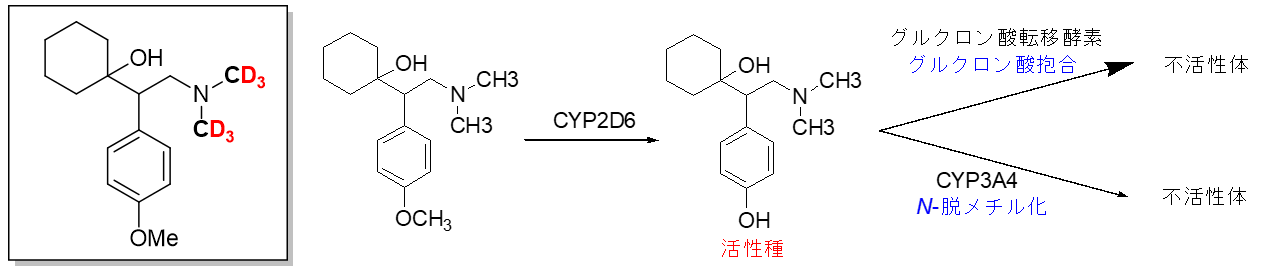
The antidepressant venlafaxine undergoes glucuronidation or demethylation in the body, resulting in loss of activity. By replacing the hydrogen atoms at the metabolic sites with deuterium, metabolism can be suppressed, thereby prolonging the duration of therapeutic action1).
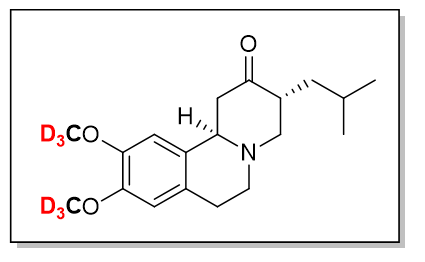
More recently, a deuterium-substituted form of tetrabenazine, a drug used to treat Huntington's disease, was developed by Teva Pharmaceuticals Ltd. This compound received FDA approval as a new drug in April 2017. Replacing hydrogen at the demethylation sites with deuterium was found not only to prolong drug efficacy but also reduced the incidence of side effects2).
Light-Emitting Material Applications
Organic Electroluminescence (EL) refers to the phenomenon in which organic materials emit light when a voltage is applied. Products that utilize this principle—organic light-emitting diodes (OLEDs) —are also broadly referred to as organic EL devices. When voltage is applied to an organic EL device, "holes" and "electrons" are injected from the anode and cathode, respectively. When these recombine in the emissive layer, the organic materials are activated to a high-energy "excited state." As these molecules return to the "ground state," the excess energy is released as light.
Organic EL displays consist of red, green, and blue light-emitting elements — the three primary colors of light. The compounds used in the emissive layer include fluorescent, phosphorescent, and more recently thermally activated delayed fluorescence (TADF) materials. These materials are being developed by various companies and universities. As the search for materials with stronger emission intensity and higher quantum efficiency continues, deuterated compounds have gained traction in this field. Because C–D bonds have higher bond dissociation energy than C–H bonds and are more resistant to cleavage, deuteration can enhance the durability of emissive materials.
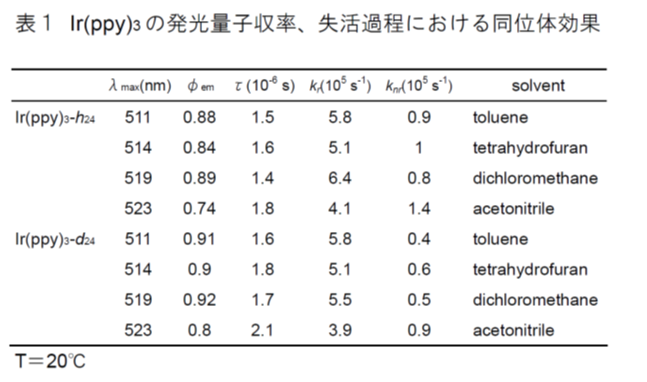
To illustrate with one example3), the fac-tris(2-phenylpyridinato)Ir(III) complex (Ir(ppy)3) is highly emissive and electrically neutral, making it easy to fabricate vapor-deposited films. It has therefore been widely studied as a leading emissive layer material. Comparing Ir(ppy)3-h24 with deuterated Ir(ppy)3-d24, both the photoluminescence quantum yield Φem and the emission lifetime τ were found to increase. This is attributed to the suppression of non-radiative deactivation without affecting the radiative decay rate, resulting in improved emission efficiency.
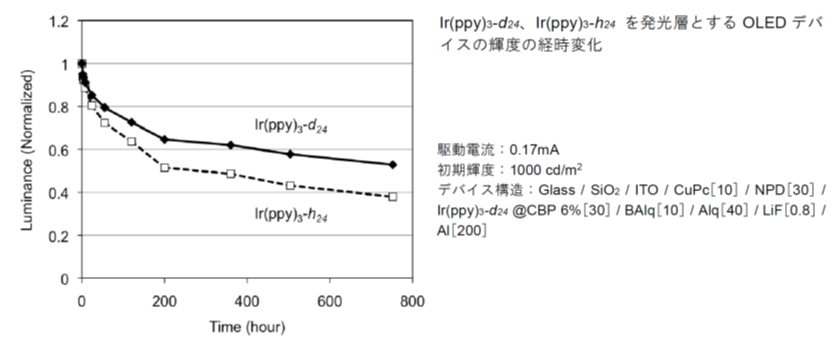
An OLED device incorporating Ir(ppy)3 in the emissive layer was fabricated, and the luminance half-life was compared at an initial luminance of 1,000 cd/m2 and a drive current of 0.17 mA. The H-form showed a half-life of 300 hours while it was 800 hours for the D-form, an approximately 2.7-fold extension of operational lifetime.
Building Block Applications
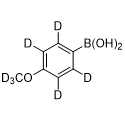
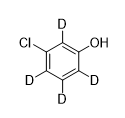
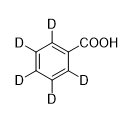
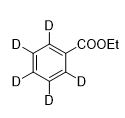
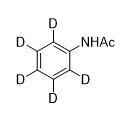
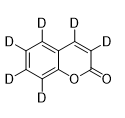
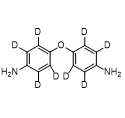
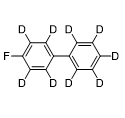
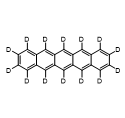
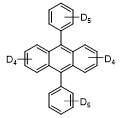
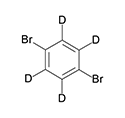
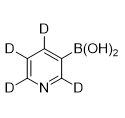
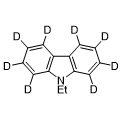
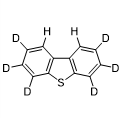
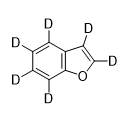
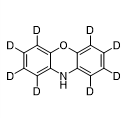
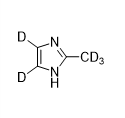
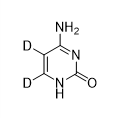
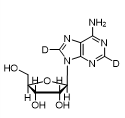
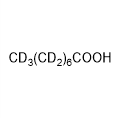
FUJIFILM Wako offers a selection of deuterated (D-form) building blocks. Examples of H-form building block applications are provided below. These can serve as a guide for the use of D-form compounds.
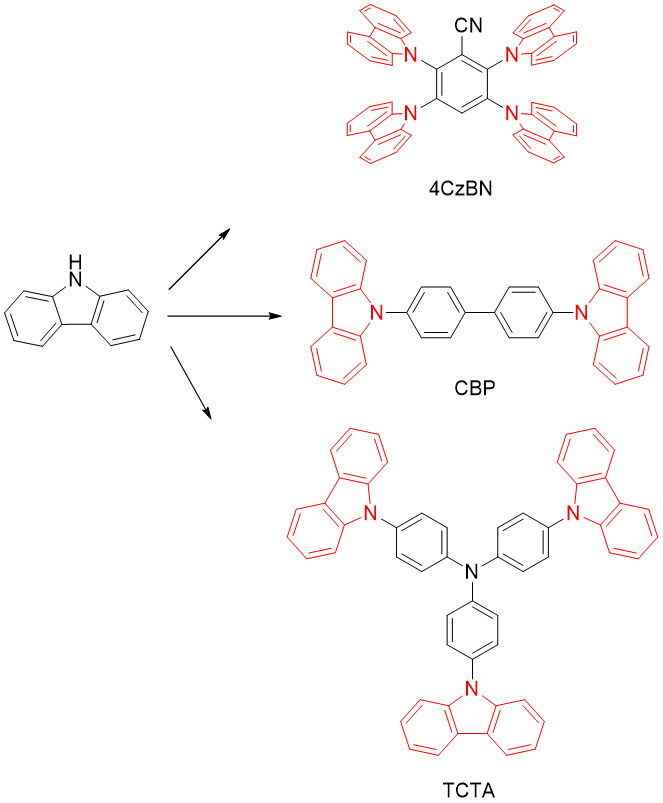
Carbazole
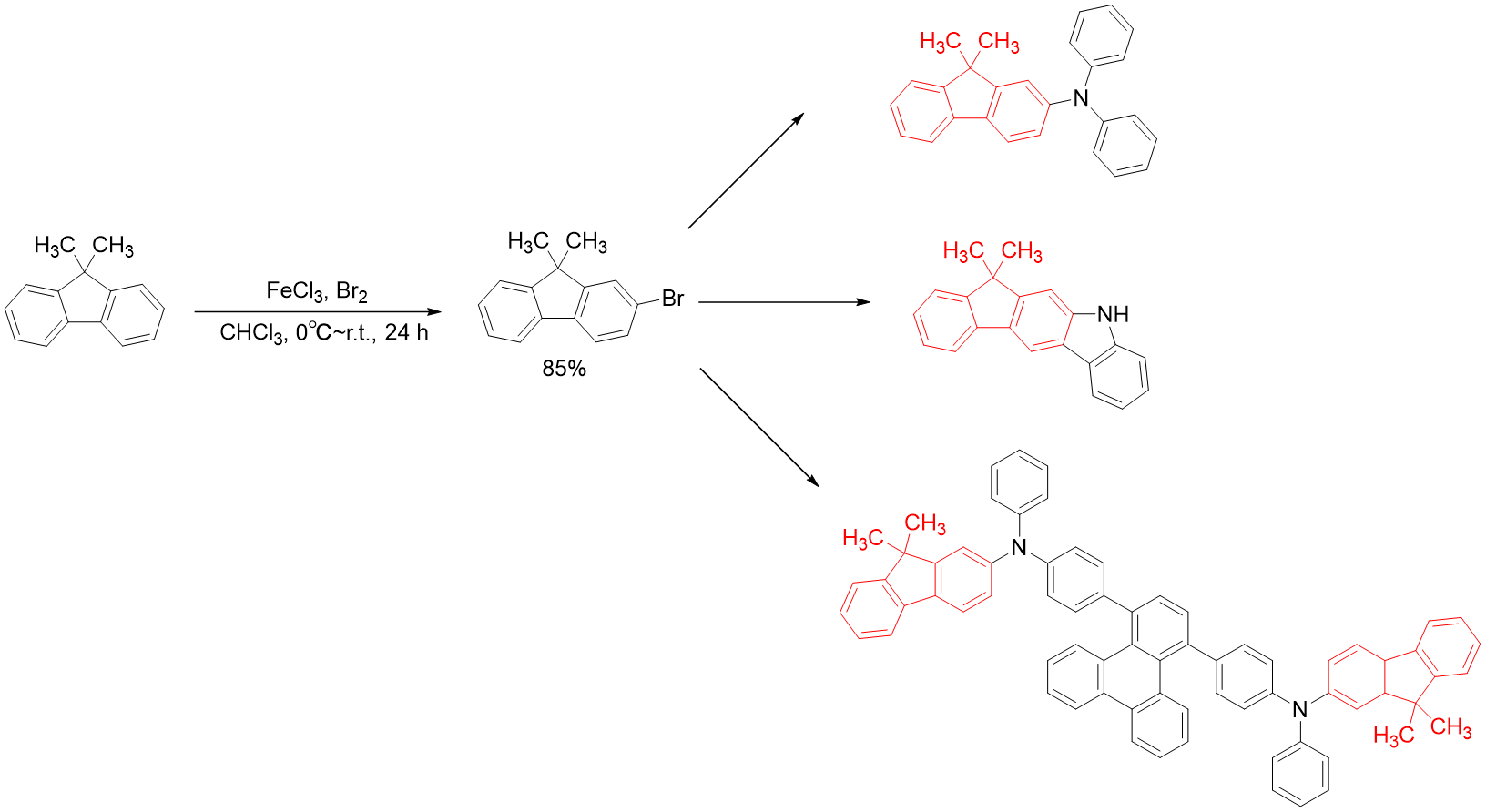
9,9-Dimethylfluorene⁴~⁷⁾
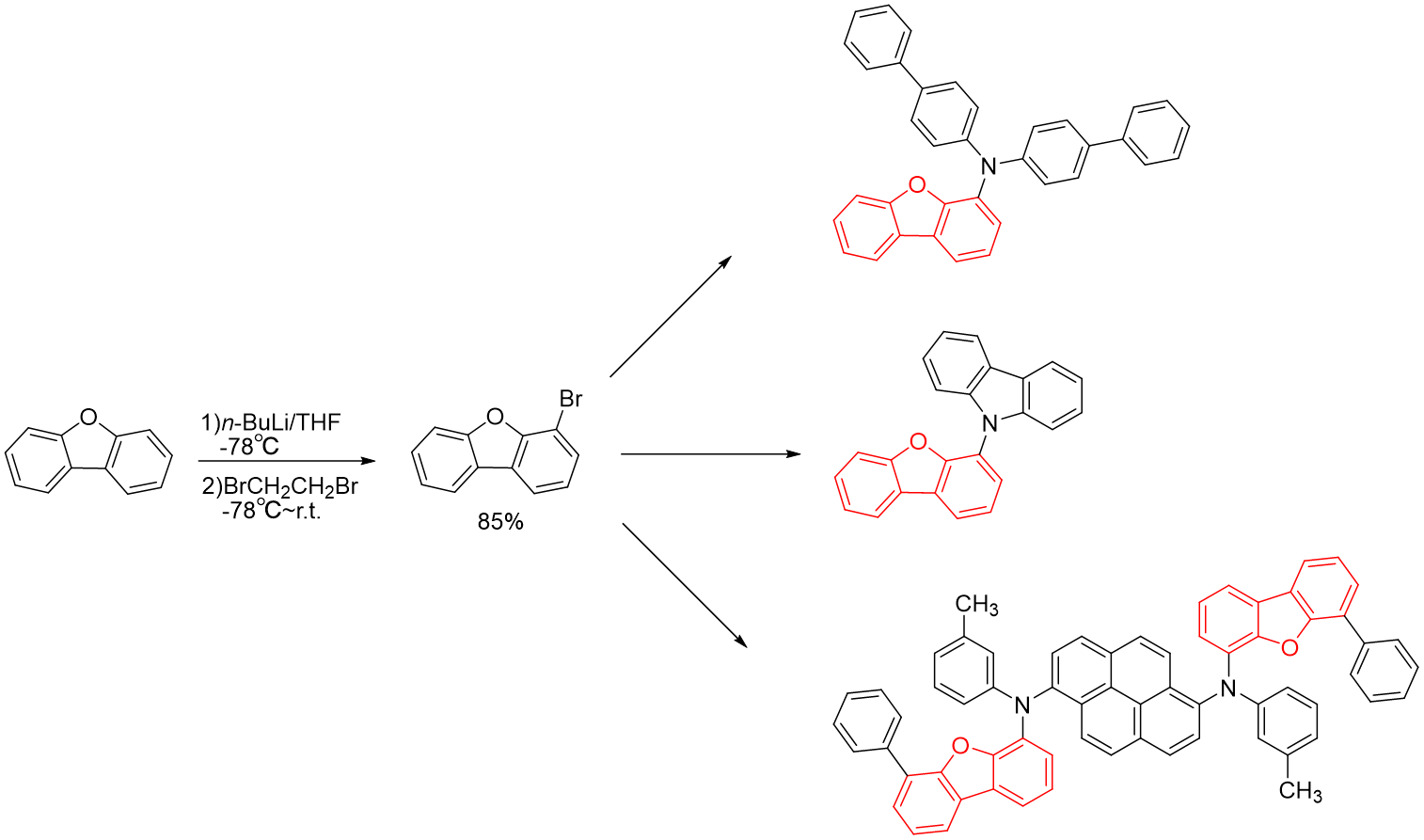
Dibenzofuran⁵~¹¹⁾
Examples of Compounds That Have Been Synthesized
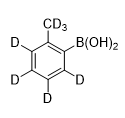
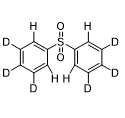
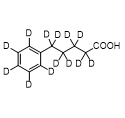
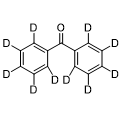
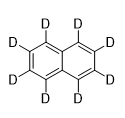
Aromatic Compounds
 |
 |
 |
 |
 |
 |
|
 |
 |
 |
 |
 |
 |
|
 |
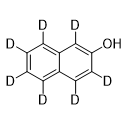 |
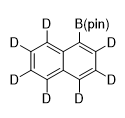 |
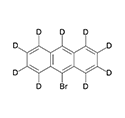 |
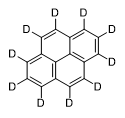 |
 |
 |
Heteroaromatic Compounds
 |
 |
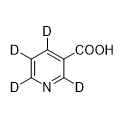 |
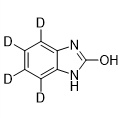 |
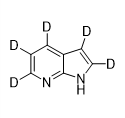 |
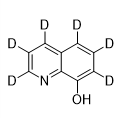 |
|
 |
 |
 |
 |
 |
 |
 |
Aliphatic Compounds
 |
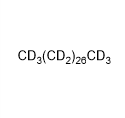 |
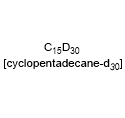 |
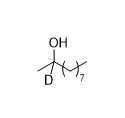 |
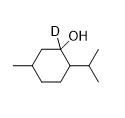 |
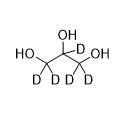 |
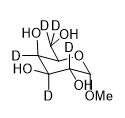 |
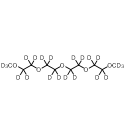 |
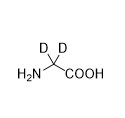 |
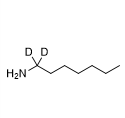 |
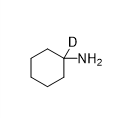 |
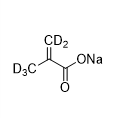 |
References
- Sato, K.: Wako Organic Square, 33, 2 (2010) (Japanese)
- JP6138322B2
- Kawanishi, Y.: Wako Organic Square, 36, 2 (2011) (Japanese)
- WO2012134203A2
- JP2008239529A
- WO2011050888A1
- KR20100045587A
- WO2014034584A1
- WO2014067614A1
- WO2015014434A1
- WO2014034893A1
Product List
- Open All
- Close All
For research use or further manufacturing use only. Not for use in diagnostic procedures.
Product content may differ from the actual image due to minor specification changes etc.
If the revision of product standards and packaging standards has been made, there is a case where the actual product specifications and images are different.