


MagCapture™ Exosome Isolation Kit PS Ver.2


Extracellular vesicles (EVs) are nanoscale membrane vesicles released from various cell types. EVs are known to transfer encapsulated nucleic acids, such as mRNA and microRNA (miRNA), as well as proteins, to distant cells. Accordingly, EVs have attracted considerable interest as mediators of intercellular communication and as potential biomarkers for a wide range of diseases. As EV research continues to expand across multiple fields, experimental methodologies are still evolving, and several technical challenges remain to be addressed. For example, in EV isolation and purification, ultracentrifugation and polymer-based precipitation methods (commercial kits) often result in substantial co-isolation of contaminants, which can significantly interfere with downstream analyses. In contrast, antibody affinity-based methods and density gradient centrifugation enable highly pure EVs to be obtained; however, these approaches may not allow recovery of EVs in an intact state, thereby limiting analysis of their intrinsic physiological functions.
Fujifilm Wako, in collaboration with Prof. Hanayama at the WPI Nano Life Science Institute, Kanazawa University, developed an EV purification method distinct from conventional approaches, termed the "PS affinity method." MagCapture™ Exosome Isolation Kit PS Ver.2, based on PS affinity method, is a kit for the simple and high-purity isolation and purification of EVs from samples such as cell culture supernatants, serum, and plasma.


Product Overview
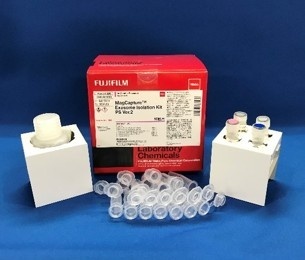
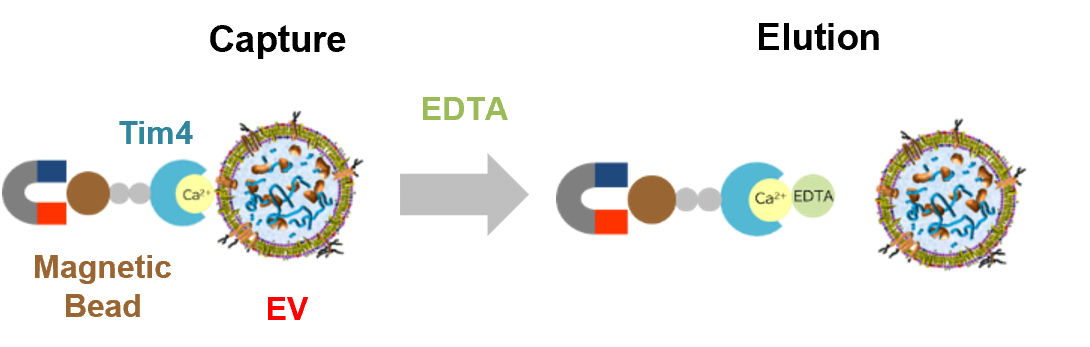
MagCapture™ Exosome Isolation Kit PS Ver.2 allows for easy purification of extracellular vesicles (EVs) such as exosomes with high purity from cell culture supernatants, serum, plasma, and other samples. Purification of intact EVs by elution with a chelating agent was achieved by utilizing Tim4 protein, which binds to phosphatidylserine (PS) on the surface of EVs in a calcium-dependent manner. The PS affinity method, which forms the basis of this product, was introduced as one of the EV isolation methods in MISEV2023, the international guidelines for EV research published in 20241).
Features
- High purity EVs can be obtained with a higher yield than by conventional ultracentrifugation
- Intact EVs can be obtained and used for various applications
- Magnetic beads enable simple operation, achieving multi-sample processing and high reproducibility
Sample
- Cell culture supernatants
- Serum
- Plasma (Heparin, EDTA, Citrate)
- Urine
- Saliva etc.
Principle
The PS affinity method2), Fujifilm Wako’s proprietary EV isolation technique, utilizes the Tim4 protein, which specifically binds to phosphatidylserine (PS) present on the surface of EVs. The high specificity of the PS-Tim4 interaction, coupled with the gentle elution by a chelating agent, enables the isolation of high-purity EVs in their intact state.
The PS affinity method supports both large-scale purification and high-throughput processing
Fujifilm Wako offers a lineup of EV isolation and purification kits tailored to meet a wide range of research needs.
| Product | Sample | Sample Volume | Number of Samples |
|---|---|---|---|
| MagCapture™ Exosome Isolation Kit PS Ver.2 (This product) EV isolation and purification kit combining the PS affinity method with magnetic beads |
Cell culture supernatant Biological Fluid (Serum/Plasma/Urine/Saliva etc.) |
1 mL or less Ultrafiltration allows for up to 50 mL |
1 to several dozen samples |
| MagCapture™EV Isolation Kit PS for HTS EV isolation and purification kit combining the PS affinity method with magnetic beads. (Automated extraction device) |
Cell culture supernatant Biological Fluid (Serum/Plasma/Urine/Saliva etc.) |
5 mL or less KingFisher™ Flex 96 well plate: 1 mL or less 24 well plate: 1-5 mL |
Several dozen to 96 samples KingFisher™ Flex |
| MassivEV™EV Purification Column PS Large-scale EV purification column based on the PS affinity method |
Cell culture supernatant | 10 mL to several liters |
1 |
Protocol
The following is a summary of the protocol. For the detailed protocol, please refer to the “Package Insert” on the product detail page.
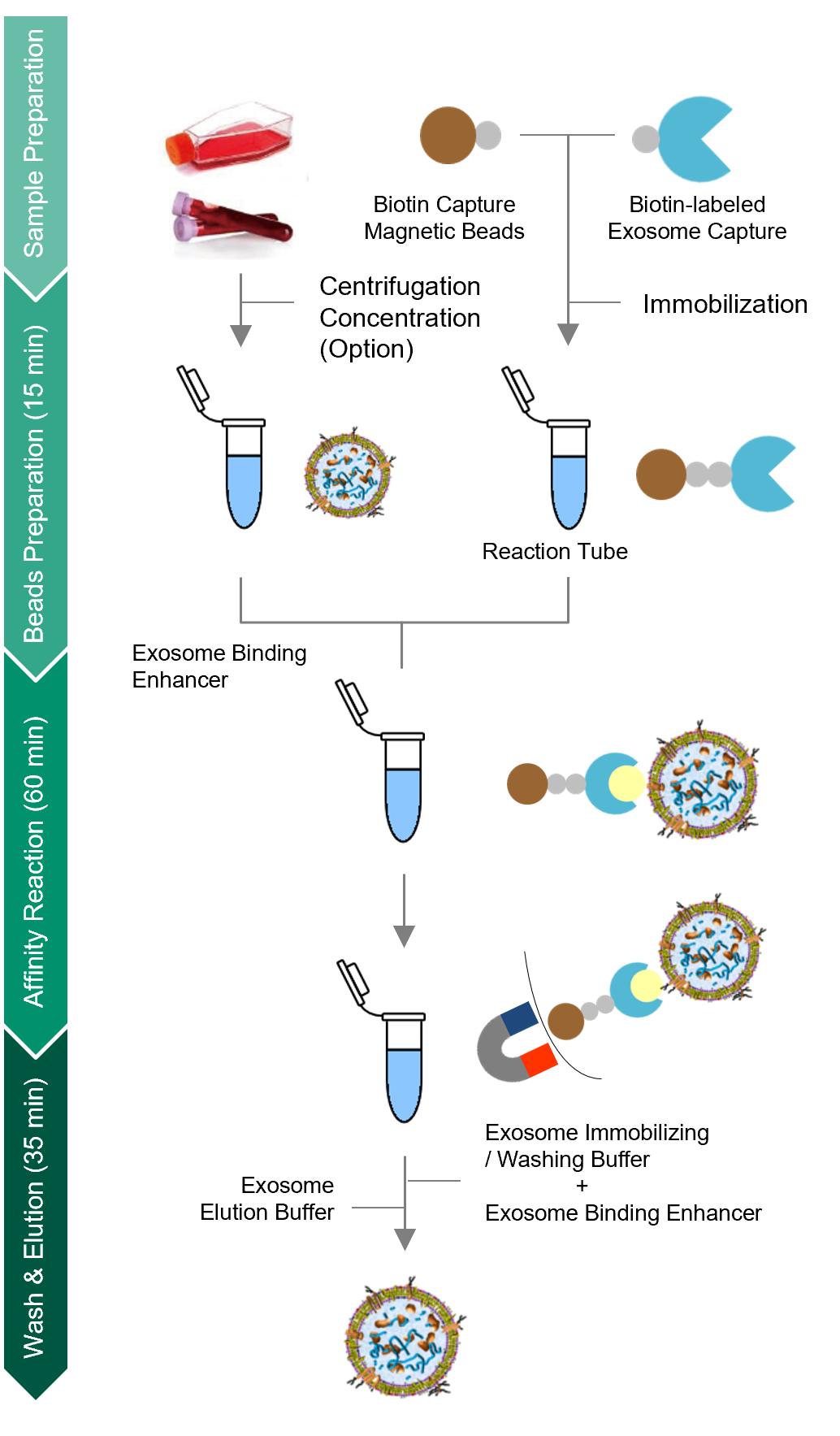
Sample Preparation
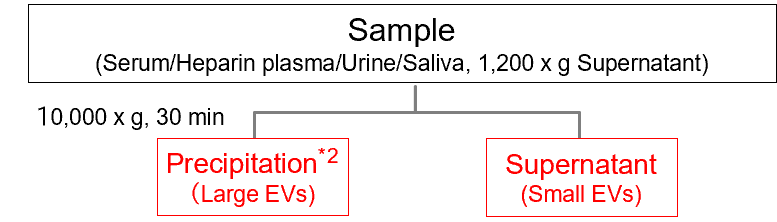
Large EVs or small EVs can be isolated
from these samples with this kit.
Cell culture supernatant
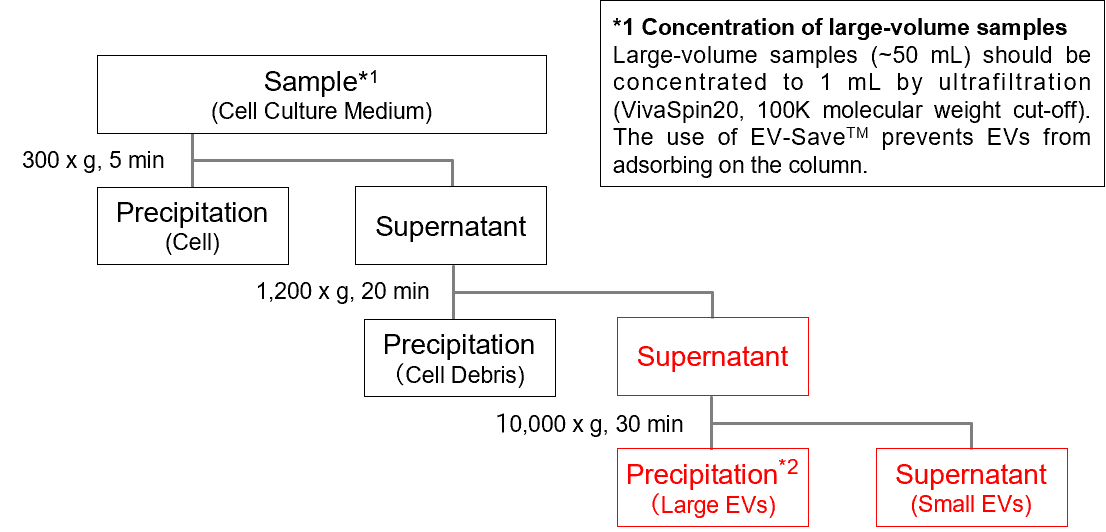
Serum/Heparin plasma/Urine/Saliva
EDTA plasma/Citrated plasma
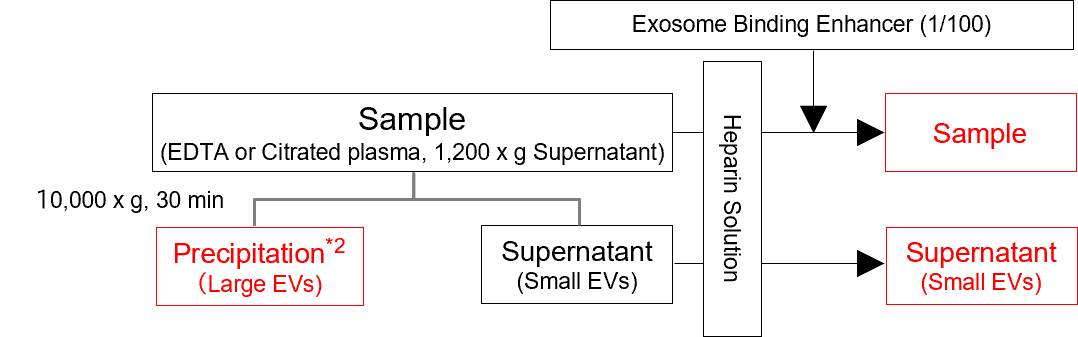
*2 Obtaining Large EVs
Centrifuge (10,000 x g, 30 min) and resuspend the pellet in TBS to prepare a sample.
How to purify exosomes/EVs
- Outline of Procedure of MagCapture Exosome Isolation Kit PS Ver.2
(Youtube, 7:48)
Data
Comparison with Conventional Methods
Comparison of the Number of Proteins Identified and EV Enrichment Scores in Human Plasma-Derived EVs by Proteomic Analysis
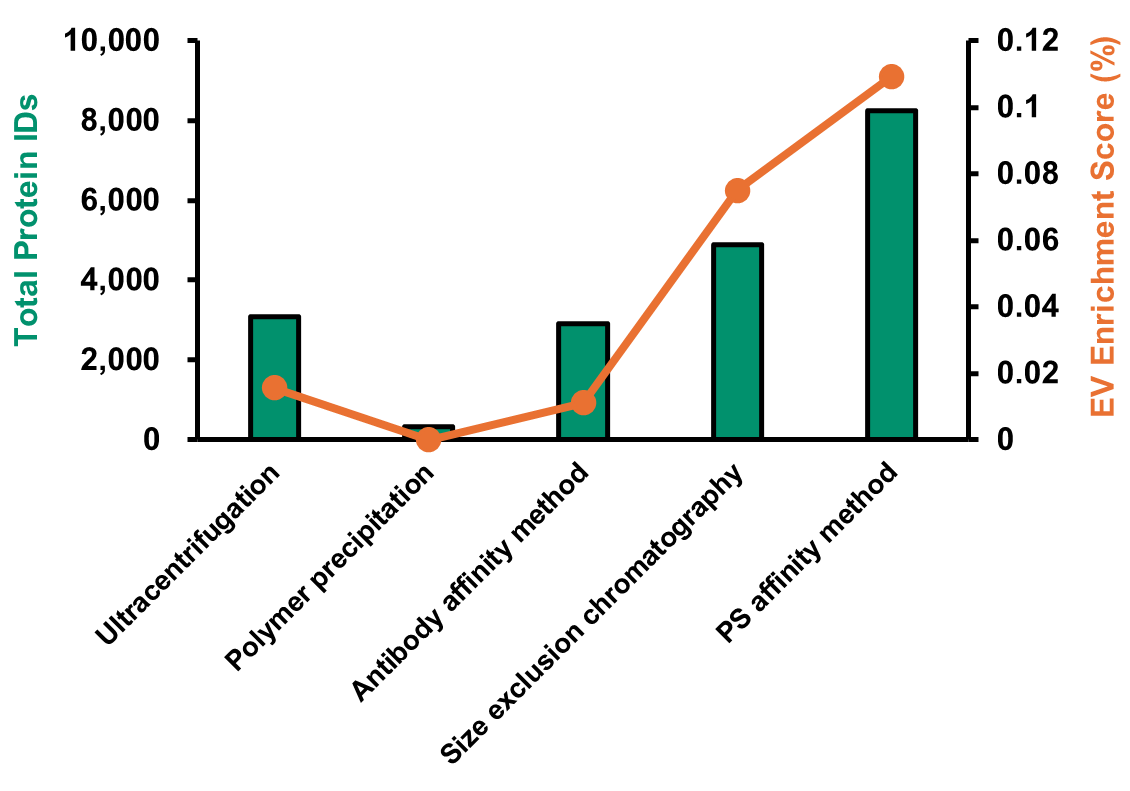
EVs were isolated from 200 μL of human plasma using each method and subjected to proteomic analysis with an LC/MS Orbitrap Fusion Lumos equipped with FAIMS Pro (DIA, 120 min). EV purity was evaluated by comparing the proportion of identified EV marker proteins relative to the total identified proteins (EES: EV Enrichment Score; see formula below).
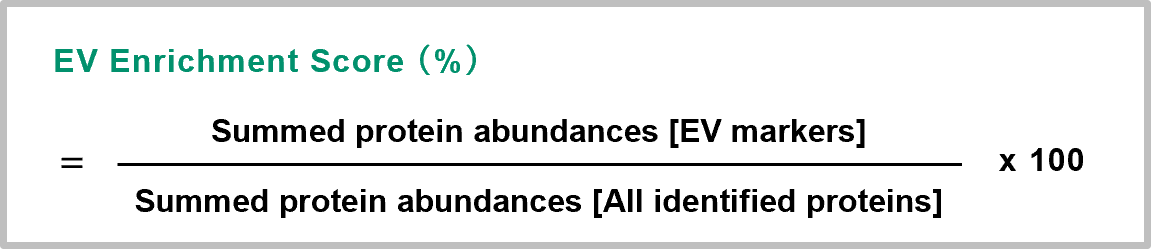
[Result]
Compared with other methods, this product yielded a greater number of identified proteins. In addition, the higher EES indicated that EVs of high purity were successfully isolated.
This product is ideal for biomarker discovery using EV-derived proteins in blood samples.
Comparison of Recovery Rates with SEC
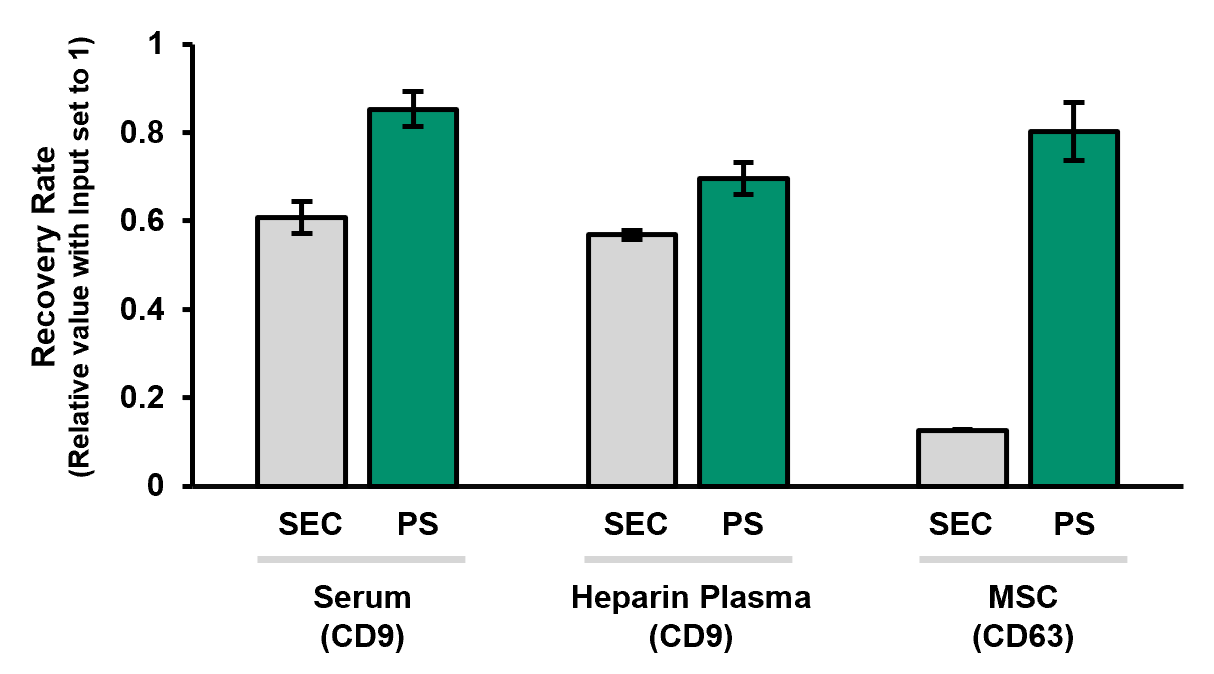
EVs were isolated and purified from human serum, heparin plasma and bone marrow–derived mesenchymal stromal cell/mesenchymal stem cell (MSC) culture supernatants using size exclusion chromatography (SEC) or this product (PS). The EV recovery yield was measured using CD9- or CD63-Capture Human Exosome ELISA Kits (Streptavidin HRP).
[Result]
This product demonstrated a higher EV recovery rate than SEC.
Comparison of anti-inflammatory activity with EVs isolated by ultracentrifugation
IFN-γ-stimulated adipose-derived MSCs (ADMSCs) were cultured in EV production medium EV-Up™ MSC EV Production Basal Medium, AF (Product No. 053-09451) supplemented with additives. EVs were then isolated and purified from the cell culture supernatant using either this product or ultracentrifugation. The isolated EVs were added to mouse primary monocytes, and the expression levels of the inflammatory marker TNF-α (M1 marker) and the anti-inflammatory marker CD206 (M2 marker) were quantified by real-time PCR.
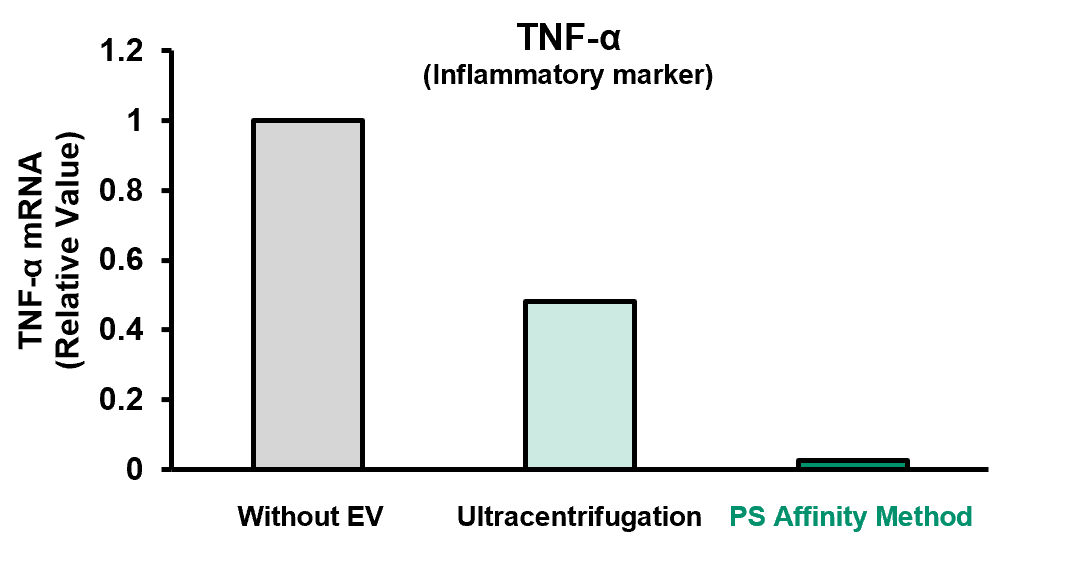
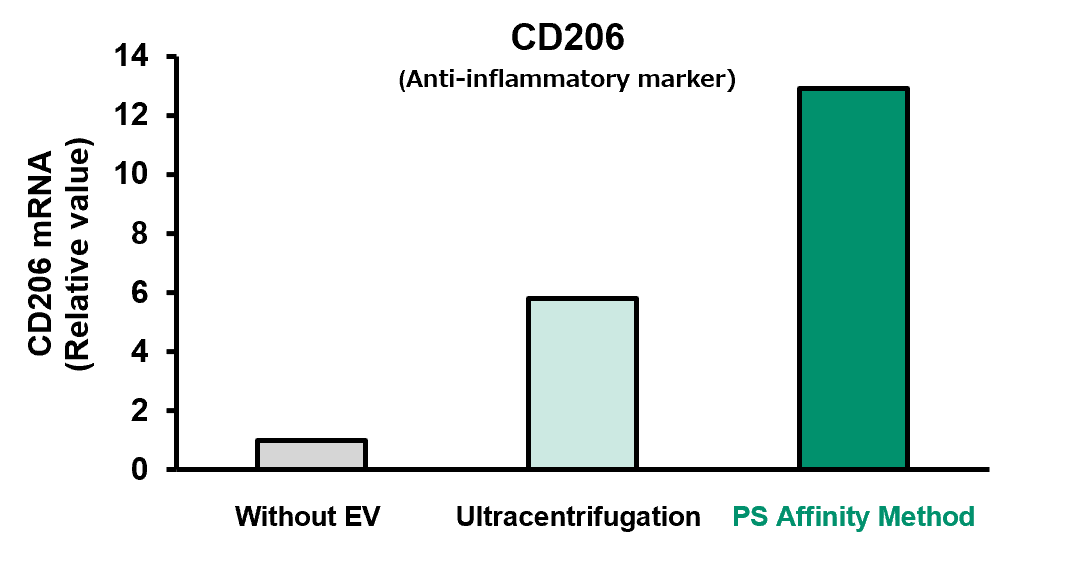
[Result]
EVs obtained using this product (PS affinity method) had higher anti-inflammatory activity than those obtained by ultracentrifugation.
Isolation and Purification of EVs from Various Samples
Serum / Plasma
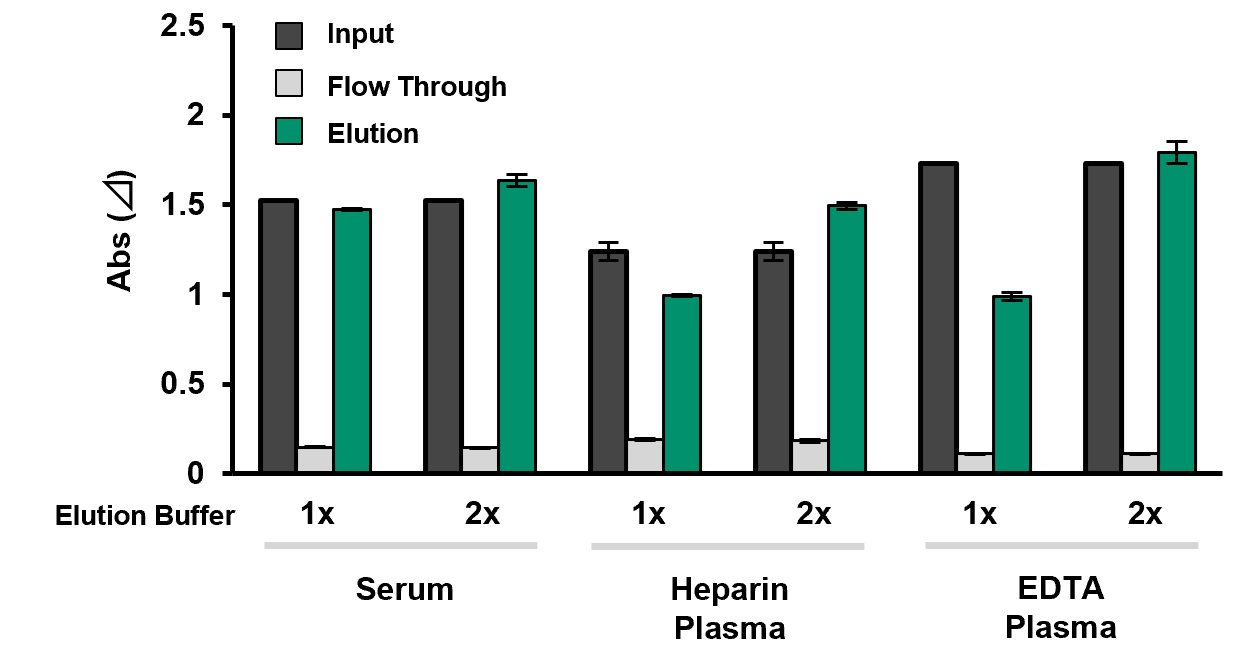
EVs were isolated and purified from various human blood samples using this product. The EV recovery yield was measured using the PS Capture™ Exosome ELISA Kit (Streptavidin HRP) (Product No. 298-80601). Elution Buffers at two different concentrations (1x and 2x) were evaluated.
[Result]
Using this product, EVs were efficiently recovered from human serum and plasma samples. In particular, recovery from plasma samples was improved when a high-concentration (2x) Elution Buffer was used.
Cell Culture Supernatant
>HEK293
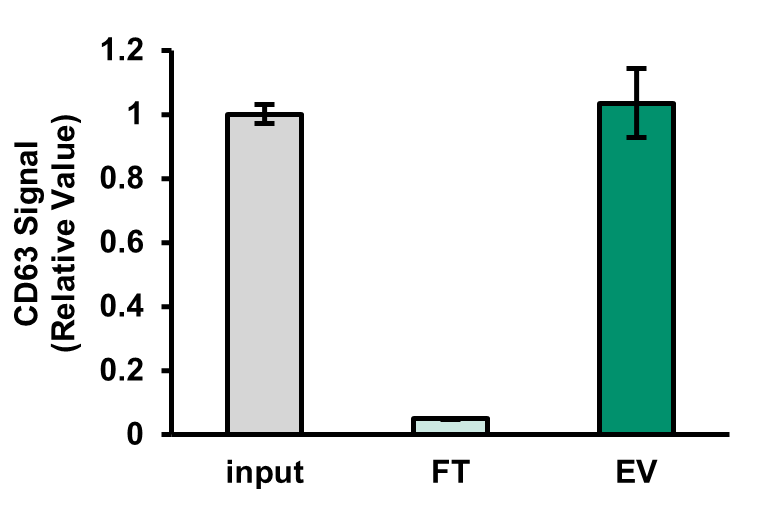
HEK293 cells were expanded in D-MEM containing 10% FBS and then cultured for 3 days in EV production medium EV-Up™ MSC EV Production Basal Medium, AF (Product No. 053-09451) supplemented with additives. EVs were then isolated and purified from the cell culture supernatant using this product. The CD63 signal in the Input, Flow-through (FT), and isolated EV solution (EV) was quantified using the CD63-Capture Human Exosome ELISA Kit (Streptavidin HRP) (Product No. 290-83601), and EV recovery was compared.
[Result]
High EV recovery was achieved with MagCapture™ Exosome Isolation Kit PS Ver.2.
>COLO201
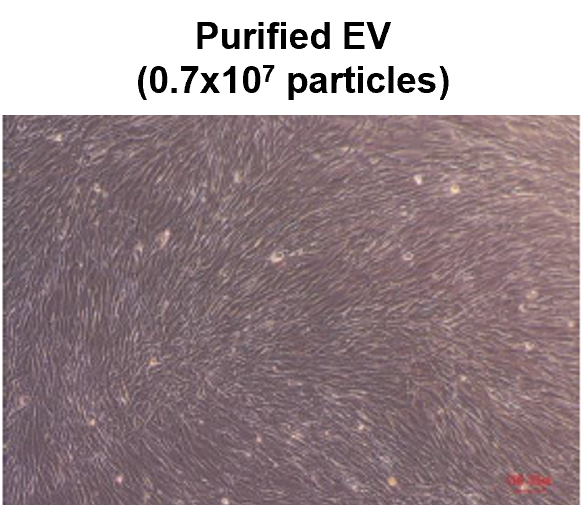
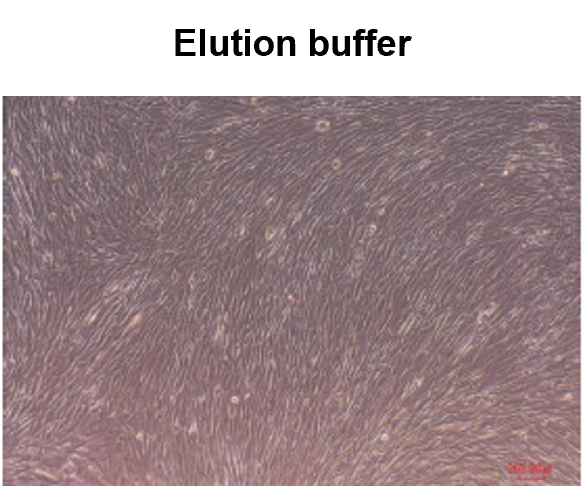
EVs were isolated and purified from COLO201 cell culture supernatant using this product. The isolated EVs or an equal volume of elution buffer (50 μL) was added to pre-seeded normal human fibroblasts, and changes in cell morphology were assessed at 48 hours.
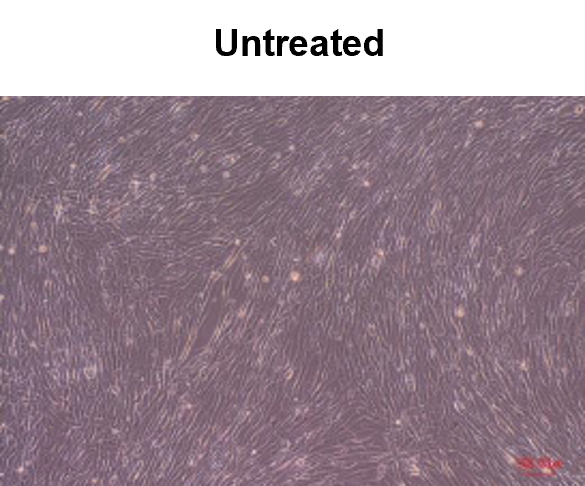
[Result]
No significant changes in cell morphology or notable cell death were observed when EVs isolated and purified with this product or the elution buffer alone was added. These findings suggests that the eluted EVs can be applied directly to cells without additional processing.
Note: The elution buffer contains EDTA. If EDTA may interfere with downstream applications, buffer exchange by ultrafiltration or a similar method is recommended.
About commercial or for-profit purposes
Please use this product for research purposes only. If you wish to use it for commercial or for-profit purposes, please contact Fujifilm Wako at ffwk-labchem-tec@fujifilm.com.
References
- Welsh, J. A. et al.: J. Extracell. Vesicles, 13(2), e12404(2024).
Minimal information for studies of extracellular vesicles (MISEV2023): From basic to advanced approaches - Nakai, W. et al.: Sci. Rep., 6(1), 1(2016).
A novel affinity-based method for the isolation of highly purified extracellular vesicles
Product List
- Open All
- Close All
MagCapture™ Exosome Isolation Kit PS Ver.2
For research use or further manufacturing use only. Not for use in diagnostic procedures.
Product content may differ from the actual image due to minor specification changes etc.
If the revision of product standards and packaging standards has been made, there is a case where the actual product specifications and images are different.