



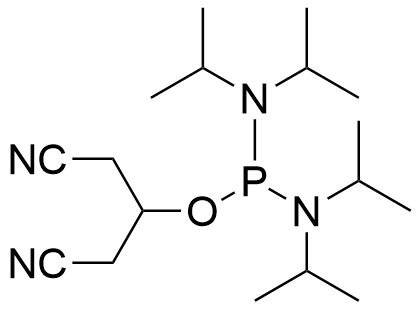
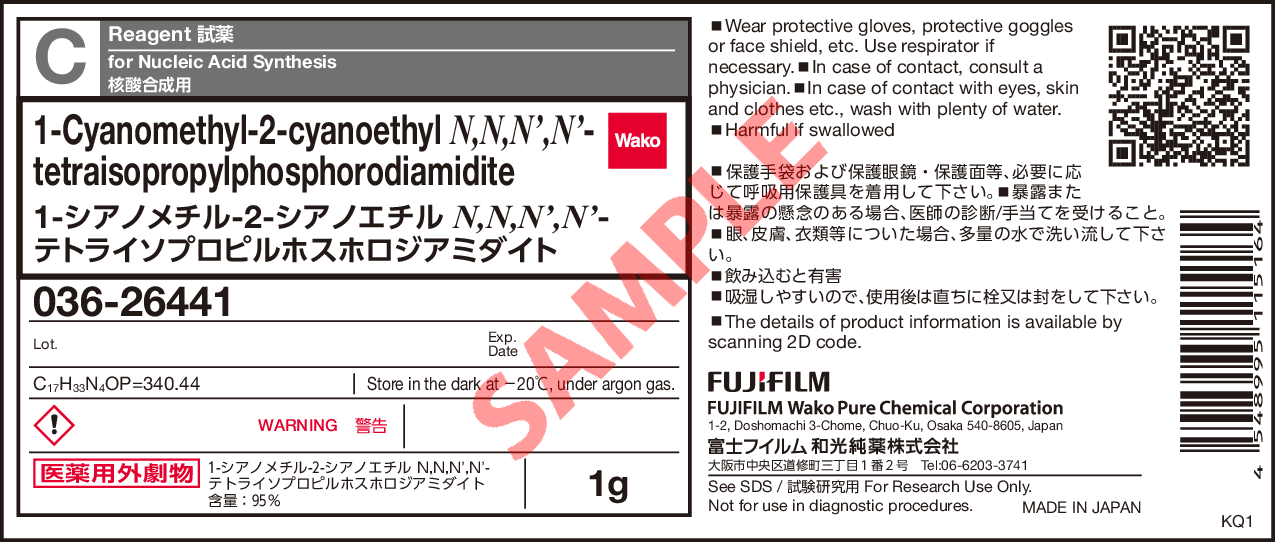
1-Cyanomethyl-2-cyanoethyl N,N,N',N'-tetraisopropylphosphorodiamidite
- for Nucleic Acid Synthesis
- Specification Assay :
- 95+% (qNMR)
- Manufacturer :
- FUJIFILM Wako Pure Chemical Corporation
- Storage Condition :
- Keep at -20 degrees C.
- Molecular Formula :
- C17H33N4OP
- Molecular Weight :
- 340.44
- GHS :
-


-
 Close
Close -
 Close
Close
- Structural Formula
- Label
- Packing
- SDS
|
Comparison
|
Product Number
|
Package Size
|
Price
|
Inventory
|
|
|---|---|---|---|---|---|
|
|
|
1G
|
|
In stock in Japan |
Please check here for notes on products and prices.
Document
Features
1. High Stability
- Improved stability during purification and storage of the derived phosphoramidite
- Retains reactivity equivalent to conventional amidite reagents
2. Ease of Handling and Physical Properties
- High solubility in organic solvents (soluble in acetone, acetonitrile, and THF)
- Easy-to-handle crystalline solid (melting point: 111°C)
Stability Comparison
31P NMR analysis was used to compare the stability of the phosphorodiamidites; the results are shown below.
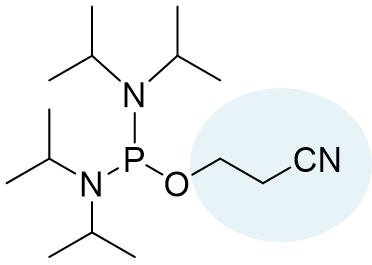
(Linear type)
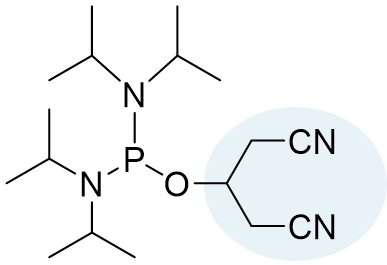
(Branched type)
Phosphorodiamidite 1
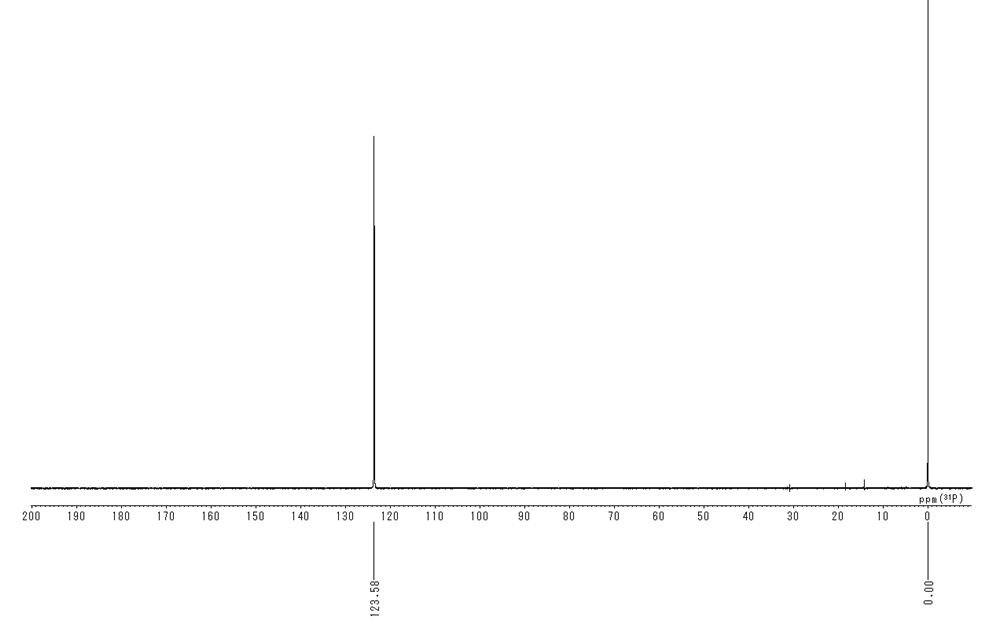
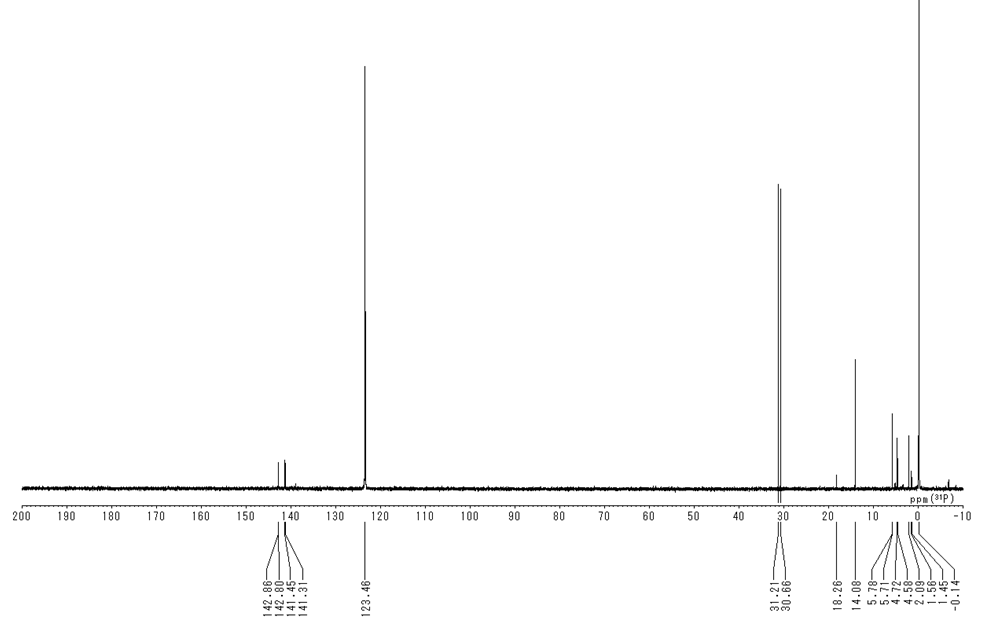
The conventionally used linear phosphorodiamidite 1 (2-cyanoethyl N,N-diisopropylphosphoramidite) is an oily substance. When stored at room temperature, decomposition progressed over 7 days, and 31P NMR measurement confirmed the formation of multiple impurities. Furthermore, the phosphoramidite derivative consisting of a primary alcohol obtained using reagent 1 also does not have sufficient stability, resulting in reduced yield.
Phosphorodiamidite 2
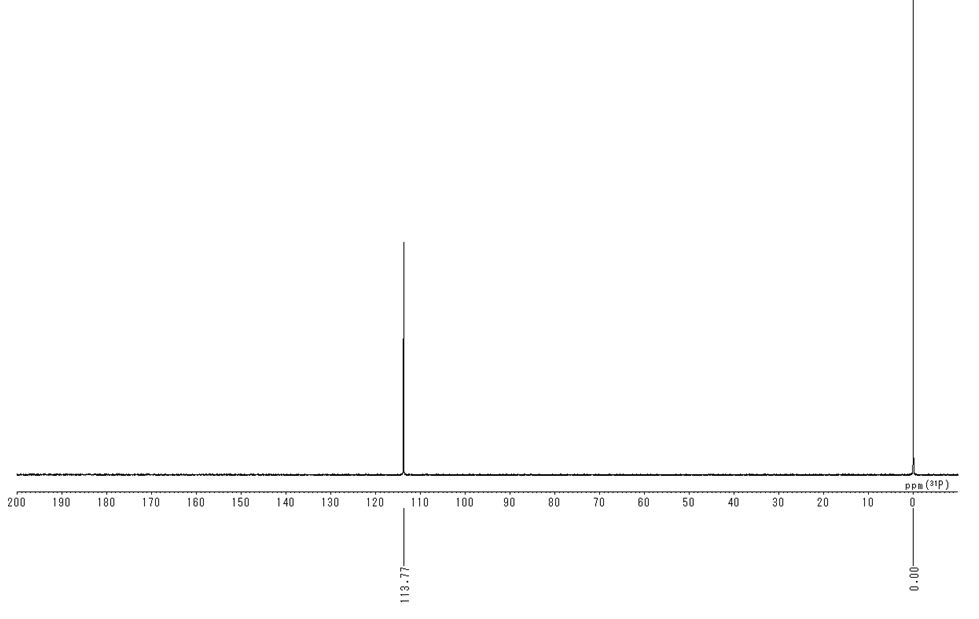
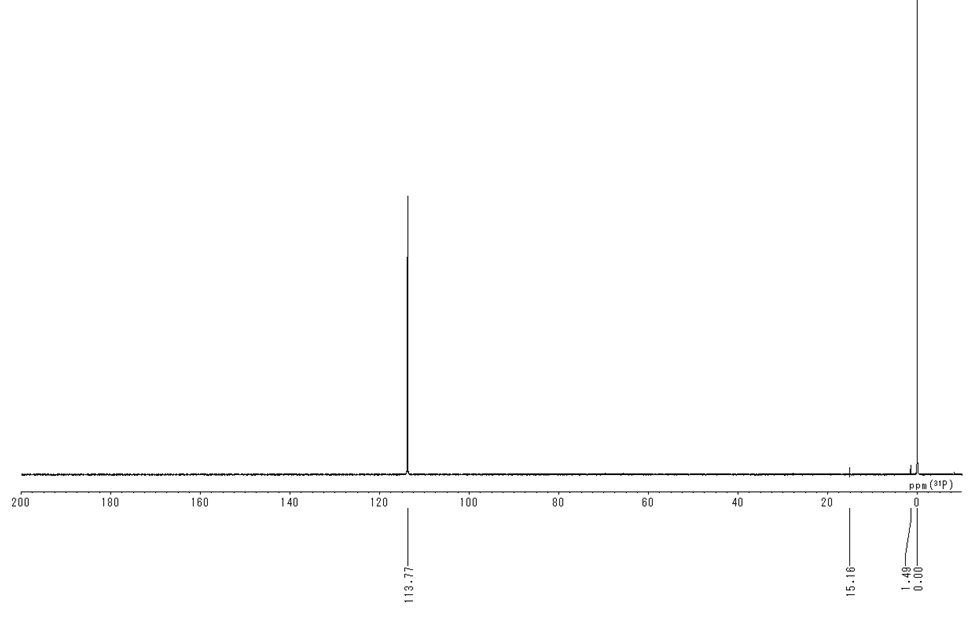
In contrast, the newly developed branched phosphoramidite 2 is a solid, and almost no decomposition was observed even after 7 days at room temperature. In addition, the phosphoramidite derivative consisting of a primary alcohol synthesized using reagent 2 is sterically bulky due to its branched structure, giving it high stability and allowing it to be obtained in high yield. Furthermore, phosphoramidite derivatives with a branched structure can be incorporated into oligonucleotides under standard oligonucleiotide synthesis conditions.
Reaction Example
Synthesis of phosphoramidite using a primary alcohol

Stability comparison of phosphoramidites synthesized from a primary alcohol (31P NMR analysis)

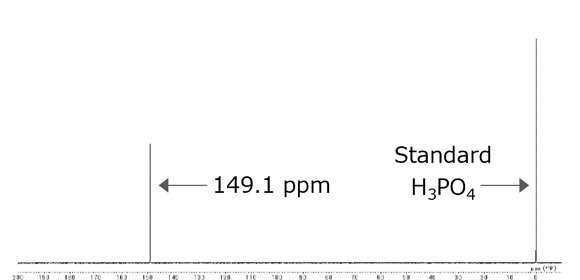
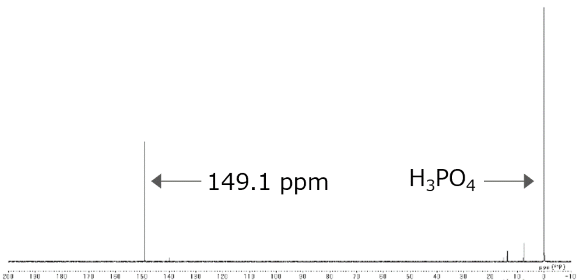

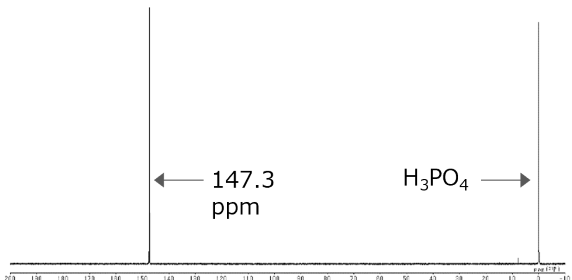
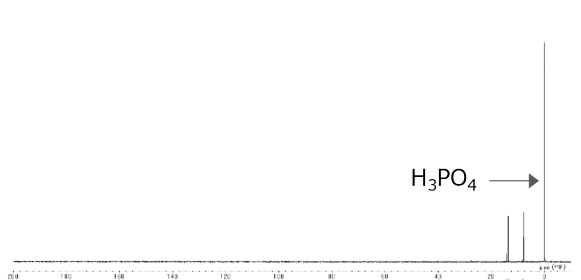
When the conventional linear phosphoramidite was stirred in an AcOEt solution of silica gel for 24 hours, 31P NMR measurement showed that it had completely decomposed. In contrast, the branched phosphoramidite showed almost no decomposition, demonstrating its high stability.
Synthesis of DNA using phosphoramidite


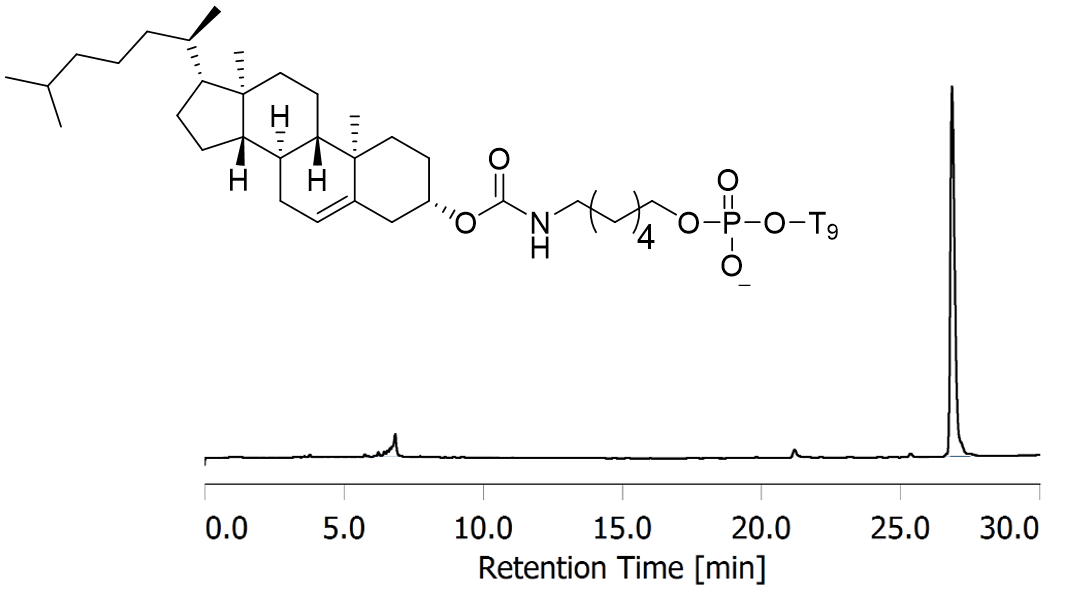
As an example, an oligo-DNA bearing cholesterol at the 5'-end was synthesized, and the target oligo-DNA could be obtained under standard DNA synthesis conditions.
Other branched phosphoramidites can likewise be incorporated into oligo-DNA under standard DNA synthesis conditions.
References
- Y. Hari, Y. Ito: Japanese Patent Application No. 2025-184878, "Phosphoramidite Reagent, Phosphoramidite, and Method for Producing Nucleoside Derivatives"
Overview / Applications
| Precautions for Use | Packed on argon gas |
|---|
Property
| Appearance | White - nearly white, crystals - powder or mass |
|---|
Manufacturer Information
Alias
For research use or further manufacturing use only. Not for use in diagnostic procedures.
Product content may differ from the actual image due to minor specification changes etc.
If the revision of product standards and packaging standards has been made, there is a case where the actual product specifications and images are different.
The prices are list prices in Japan.Please contact your local distributor for your retail price in your region.