



Formalin (Formaldehyde)
Formalin is an aqueous solution of approximately 37 w/w% formaldehyde widely used as a fixative for tissues and cells in pathology research. There are various types of formalin, and it is important to select the appropriate one based on factors such as tissue penetration, the effects of acid, and safety. In particular, formalin has been reported to be harmful to the body, and reducing the exposure to formalin to the extent possible is necessary.
Fujifilm Wako offers a variety of tissue fixative solutions such as formalin, neutral buffered formalin, and paraformaldehyde. Our product lineup includes neutral buffered formalin dispensed into the exposure-prevention container, as well as formalin containing wine extract to reduce its unpleasant odor.
What is Formalin?
Formalin is an aqueous solution of approximately 37 w/w% formaldehyde. Formaldehyde reacts with side-chain functional groups of proteins to form a methylene bridge (-CH2-) within or between molecules. This allows proteins to be immobilized and fixed. Formalin is therefore widely used as a fixative for tissues and cells in pathology research. In most cases, methanol is added to formalin to prevent the polymerization of formaldehyde. Formalin also undergoes autoxidization to formic acid when exposed to light or air. Since some tissues are sensitive to formic acid, a neutral buffered formalin solution—made by adding sodium phosphate to formalin—is used when this needs to be avoided.
Formalin that is used in pathology research comes in a few different concentrations including 10%, 15%, and 20%. 10% formalin refers to a 10% formalin aqueous solution that is a dilution of formalin (a content of 3.7 w/w% formaldehyde). Although 10% formalin is generally used for tissue fixation, higher concentrations of formalin can penetrate into tissues quicker with fixation times being shortened. However, the selection of an optimal concentration of formalin to suit the objectives of the experiment is necessary since high concentrations of formalin may damage a sample. Some guidelines recommend the use of 10% neutral buffered formalin to preserve antigenicity and genetic material1).
As mentioned above, formalin is indispensable for pathology research, but it is also a harmful substance for the body. The exposure of formaldehyde may cause asthma or dermatitis and there has also been a report of exposure at high concentrations and for long periods potentially leading to carcinogenesis2). In Japan, the handling of formalin and risk assessments have been stipulated by law to prevent any damage to health caused by formalin. Reducing the exposure to formalin to the extent possible is an important countermeasure, and the use of exposure-prevention containers or pre-filled formalin is an effective solution. Formalin has a distinctively unpleasant odor, which may be difficult to bear for some who work with it. To reduce this odor, formalin products that are formulated with an odor-lessening component (wine extract) are commercially available.
Formalin (Formaldehyde)
Formalin is an aqueous solution of approximately 37 w/w% formaldehyde. Fujifilm Wako offers a lineup of various formalin products and dilutions (10%, 15%, and 20%). High concentrations of formalin can penetrate tissues quickly and result in shorter fixation times, but conversely, they may cause damage to the tissues, and the selection of an optimal concentration for the laboratory work being performed is necessary. Fujifilm Wako’s formalin contains methanol as a stabilizer to prevent the polymerization of formaldehyde. The methanol content in formaldehyde solutions (Guaranteed Reagent/Wako 1st Grade/for Molecular Biology) ranges from 5 to 10 w/w%.
Product Lineup
| Product Name | Grade | Formaldehyde (w/w%) | pH | Product Overview |
|---|---|---|---|---|
| Formaldehyde Solution | Guaranteed Reagent | 36.0-38.0 | ー (Neutral to slightly acidic) |
Formaldehyde solution that conforms to JIS specifications |
| Formaldehyde Solution | Wako 1st Grade | 35.0-38.0 | Formaldehyde solution that conforms to Fujifilm Wako’s internal specifications (1st Grade) | |
| Formaldehyde Solution | for Molecular Biology | 36.0-38.0 | Formaldehyde solution used in molecular biology with DNase and RNase activities confirmed to be below the detection limit | |
| 10% Formalin Solution | for Tissue Fixation | 3.7-4.1 | 10% formalin solution | |
| 15% Formalin Solution | for Tissue Fixation | 5.8-6.1 | 15% formalin solution | |
| 20% Formalin Solution | for Tissue Fixation | 7.6-8.2 | 20% formalin solution |
Neutral Buffered Formalin (NBF)
Formalin breaks down and produce formic acid, which may affect some tissues. Neutral buffered formalin is made by adjusting the pH to about 7.4 by the addition of sodium phosphate to formalin to reduce the effects of acid on tissues. Furthermore, neutral buffered formalin is not only an excellent routine fixative, it can also be used for special purposes such as fixing tissues containing viscous polysaccharides, glycogen, or neurofibrils, for which common formalin cannot be used, and tissue fixation for electron microscopy.
Product Lineup
| Product Name | Grade | Formaldehyde (w/w%) | pH | Product Overview |
|---|---|---|---|---|
| 10% Formalin Neutral Buffer Solution | for Tissue Fixation | 3.8 - 4.1 | 7.4 - 7.5 | 10% neutral buffered formalin. The pH is adjusted using sodium phosphate. |
| 15% Formalin Neutral Buffer Solution | for Tissue Fixation | 5.8 - 6.1 | 7.35 - 7.45 | 15% neutral buffered formalin. The pH is adjusted using sodium phosphate. |
| 20% Formalin Neutral Buffer Solution | for Tissue Fixation | 7.6 - 8.2 | 7.3 - 7.5 | 20% neutral buffered formalin. The pH is adjusted using sodium phosphate. |
| SafeCap™ Wako 10% Formalin Neutral Buffer Solution | for Tissue Fixation | 3.8 - 4.1 | ー | Fujifilm Wako’s 10% Formalin Neutral Buffer Solution dispensed in a SafeCap™ exposure-prevention container. Prevents exposure to and contact with formalin and enables safe fixation. |
| 10% Formalin Neutral Buffer Solution [pre-filled] | for Tissue Fixation | 3.8 - 4.1 | ー | 10% neutral buffered formalin. The pH is adjusted using sodium phosphate. It is already pre-filled, reducing exposure to formalin as well as the time and effort required for handling. |
| Mildform™ 10N | for Pathology Research | 3.7 - 4.3 | 7.0 - 7.5 | A 10% Formalin Neutral Buffer Solution in which the unpleasant odor of formalin is neutralized by the addition of an odor-lessening component. |
| Mildform™ 20N | for Pathology Research | 7.5 - 8.5 | 7.0 - 7.5 | A 20% Formalin Neutral Buffer Solution in which the unpleasant odor of formalin is neutralized by the addition of an odor-lessening component. |
| Mildform™ 10NM | for Pathology Research | 3.7 - 4.3 | 7.0 - 7.5 | A 10% Formalin Neutral Buffer Solution in which the unpleasant odor of formalin is neutralized by the addition of an odor-lessening component. Other than adding methanol as a stabilizer, methanol is added at 10% the overall volume to improve penetrability into tissues. |
| Mildform™ 20NM | for Pathology Research | 7.5 - 8.5 | 7.0 - 7.5 | A 20% Formalin Neutral Buffer Solution in which the unpleasant odor of formalin is neutralized by the addition of an odor-lessening component. Other than adding methanol as a stabilizer, methanol is added at 10% the overall volume to improve penetrability into tissues. |
* All of the above products contain methanol, but its content has not been determined.
Neutral Buffered Formalin With Safety in Mind
Formalin has been reported to be harmful to the body, and it is important to reduce exposure to formalin to the extent possible. Fujifilm Wako offers formalin in an exposure-prevention container and pre-filled formalin.
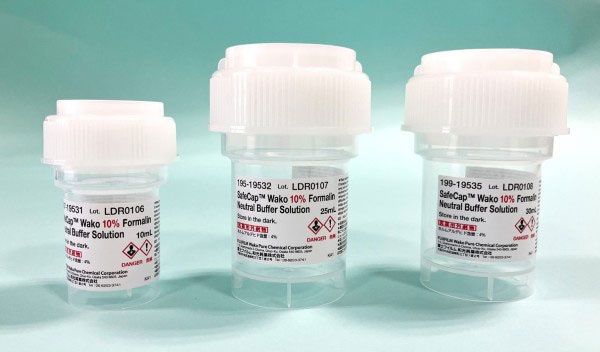
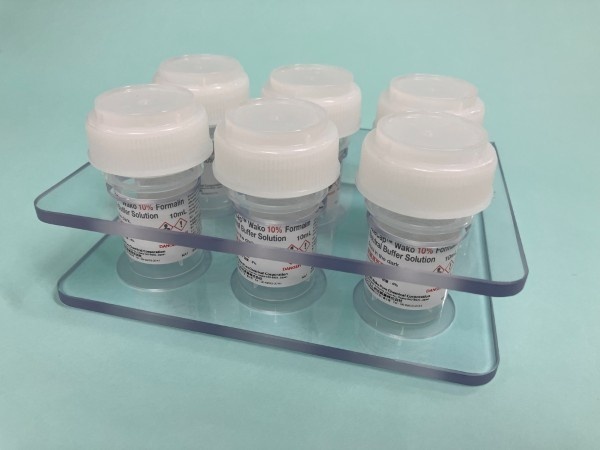
(10 mL Holder, 6-hole)
(1) SafeCap™ Wako 10% Formalin Neutral Buffer Solution
SafeCap™ Wako 10% Formalin Neutral Buffer Solution is Fujifilm Wako’s 10% Neutral Buffered Formalin dispensed into the exposure-prevention container, SafeCap™. This eliminates exposure to formalin during sample fixation, enabling safer handling of formalin than ever before. Fujifilm Wako also offers the holders (sold separately) that are useful for preventing the SafeCap™ Wako from tipping over.
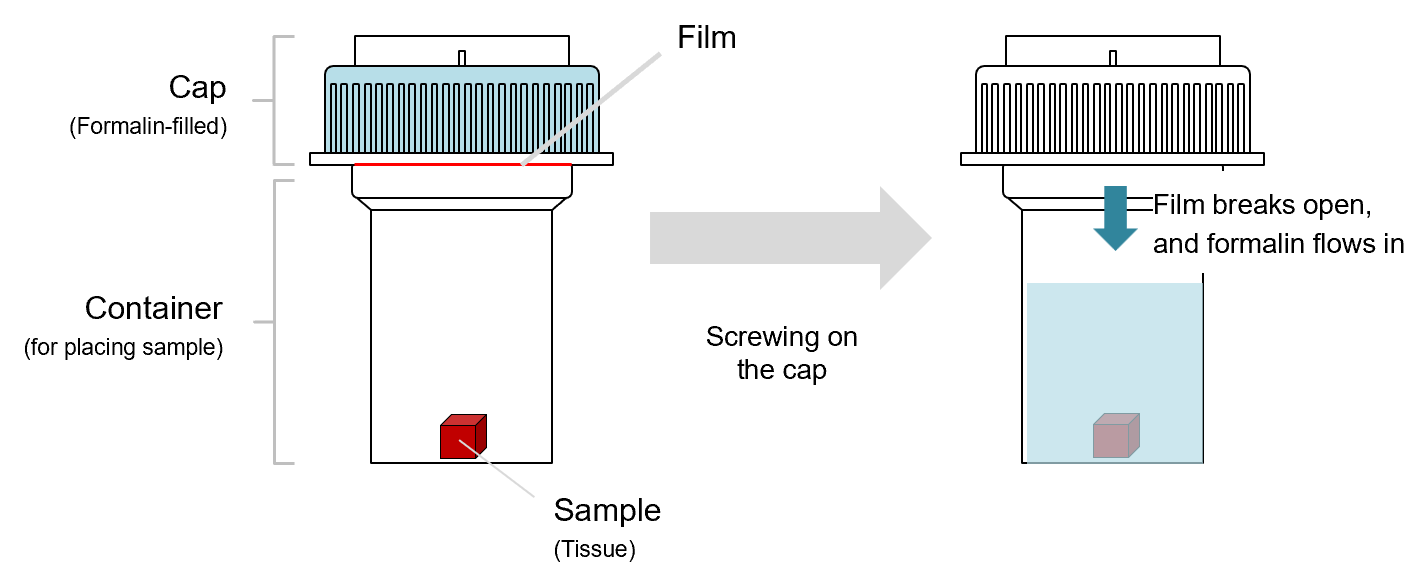
How to Use
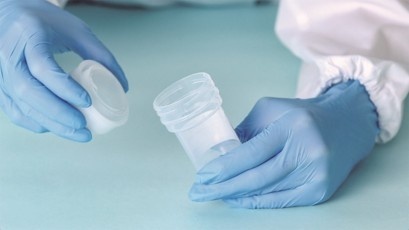 (1) Open the cap
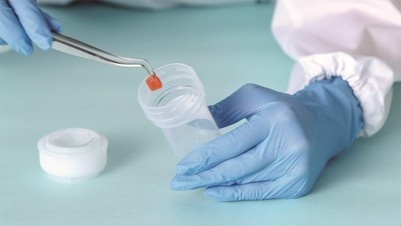 (2) Place the sample in the container
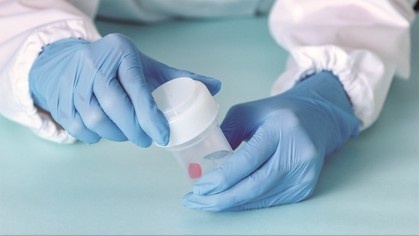 (3) Tighten the cap until it cannot be turned any further
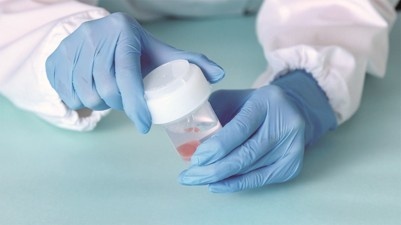 (4) Slowly tilt the container and check that the neutral buffered formalin solution flows into the container
[Notes]
Formalin may take some time to fully release into the container because the flow of liquid occurs with air exchange between the container and the cap.
Do not shake vigorously or tighten the cap excessively, as this may cause breakage or leakage.
(2) 10% Formalin Neutral Buffer Solution [pre-filled]
![10% Formalin Neutral Buffer Solution [pre-filled]](../../../../us/category/images/01272_img09.jpg)
This is pre-filled 10% Formalin Neutral Buffer Solution. Since formalin solution has already been dispensed in the container, a sample can be fixed simply by placing it in the container, which can reduce the exposure to formalin as well as the time and effort required for the work.
Neutral Buffered Formalin With Reduced Odor
Formalin has unpleasant odor. Fujifilm Wako have added an odor-reducing agent (wine extract) to formalin to reduce the unpleasant odor. The product is being marketed as “Mildform™” (a product that has a residual odor at a level that can be recognized as formalin for safety reasons). Its ability to penetrate into and fix tissues is equal to or better than that of neutral buffered formalin solution. Mildform™ products comprise N (Neutral) types, in which an odor-lessening component is added to neutral buffered formalin, and NM (Neutral/Methanol) types, in which methanol is added to neutral buffered formalin at a concentration of 10% the overall volume to improve penetrability into tissues.
Data
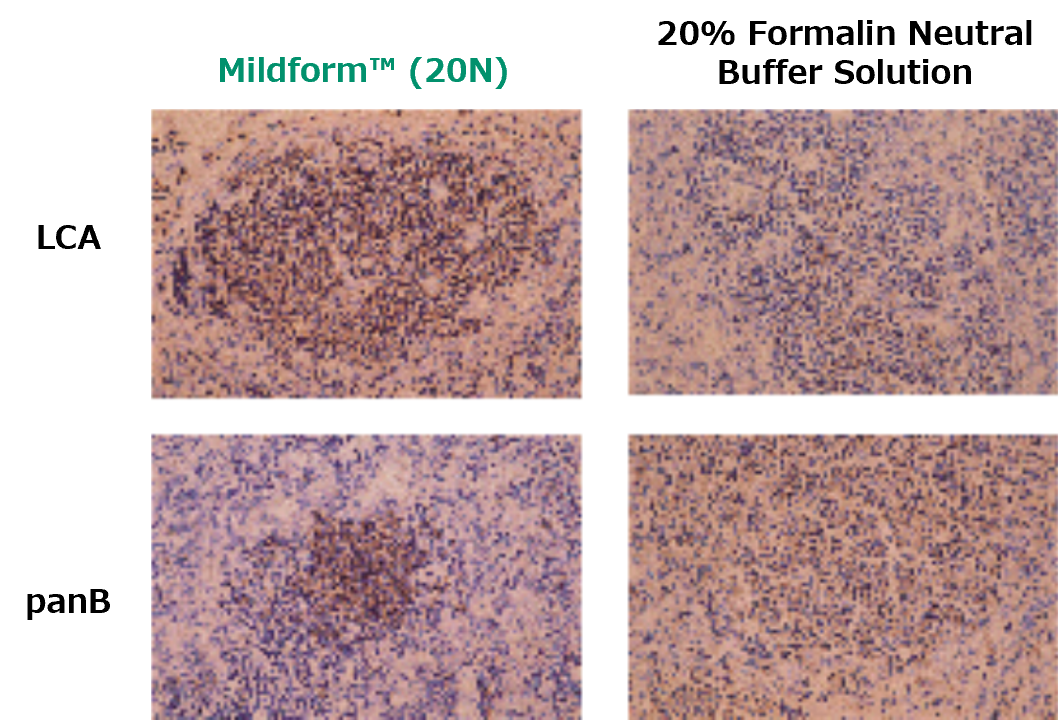
Immunohistochemistry of human lymph node tissue
Data by courtesy of Osaka Koseinenkin Hospital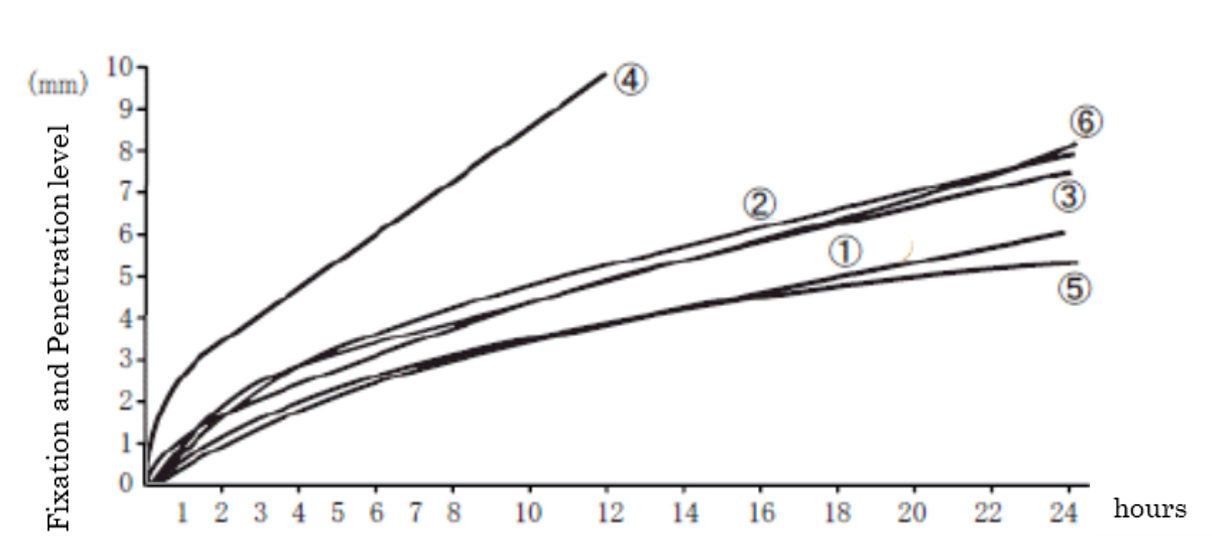
Penetration and fixation test in human liver tissue
② Mildform™ 10NM
③ Mildform™ 20N
④ Mildform™ 20NM
⑤ 10% Formalin Solution
⑥ 20% Formalin Neutral Buffer Solution
Paraformaldehyde
Paraformaldehyde (PFA) is a polymer of formaldehyde, and similar to formalin, a 4% paraformaldehyde solution is widely used for tissue fixation. However, it does not contain methanol, which differs from formalin.
Product Lineup
| Product Name | Grade | Formaldehyde (w/w%) | pH | Product Overview |
|---|---|---|---|---|
| Paraformaldehyde | for Tissue Fixation | >94.0 | ー | Paraformaldehyde (solid). Specifications include appearance and content, as well as solubility in sodium hydroxide solution, solubility in buffer solution, and acid content (HCOOH). |
| Paraformaldehyde | for Electron Microscopy | >94.0 | ー | Paraformaldehyde (solid). Specifications include appearance and content, as well as solubility in sodium hydroxide solution, solubility in buffer solution, and acid content (HCOOH). |
| Paraformaldehyde | Practical Grade | >85.0 | ー | Paraformaldehyde (solid). The specification only lists the appearance and content. |
| 4% Paraformaldehyde Phosphate Buffer Solution | for Tissue Fixation | 3.5 - 4.4 | 7.0 - 7.4 | Approximately 4% paraformaldehyde in phosphate buffer solution. |
References
- 乳がんHER2検査病理部会: 「HER2検査ガイド 乳癌編 第4版」 (2014). (Japanese)
- IARC: “Formaldehyde, 2-butoxyethanol and 1-tert-butoxypropan-2-ol”, IARC, vol.88 (2006).
Product List
- Open All
- Close All
Formalin (Formaldehyde)
Neutral Buffered Formalin
Neutral Buffered Formalin (Formalin dispensed into the exposure-prevention container)
Neutral Buffered Formalin (pre-filled)
Neutral Buffered Formalin (with odor-reducing agent)
Paraformaldehyde
Paraformaldehyde Phosphate Buffer Solution
For research use or further manufacturing use only. Not for use in diagnostic procedures.
Product content may differ from the actual image due to minor specification changes etc.
If the revision of product standards and packaging standards has been made, there is a case where the actual product specifications and images are different.